
On a strip of calm blue water in the Costa Brava, a fisherman pulls a fluorescent orange stick from the sea.
We are in a boat in the waters off of Llança, a town near the Spanish-French border that heaves with British tourists in the summer months.
But far from the luxury hotels and restaurants, fishermen and marine biologists are battling to save corals, sponges and other creatures from the damage caused by climate change, pollution and overfishing.
Rising temperatures in the sea caused by climate change are decimating the coral, sponge and other marine creatures which live 50 metres below the surface, where the mercury can reach 25C. Pollution caused by clumps of wet wipes and other plastics has also accumulated in some areas.
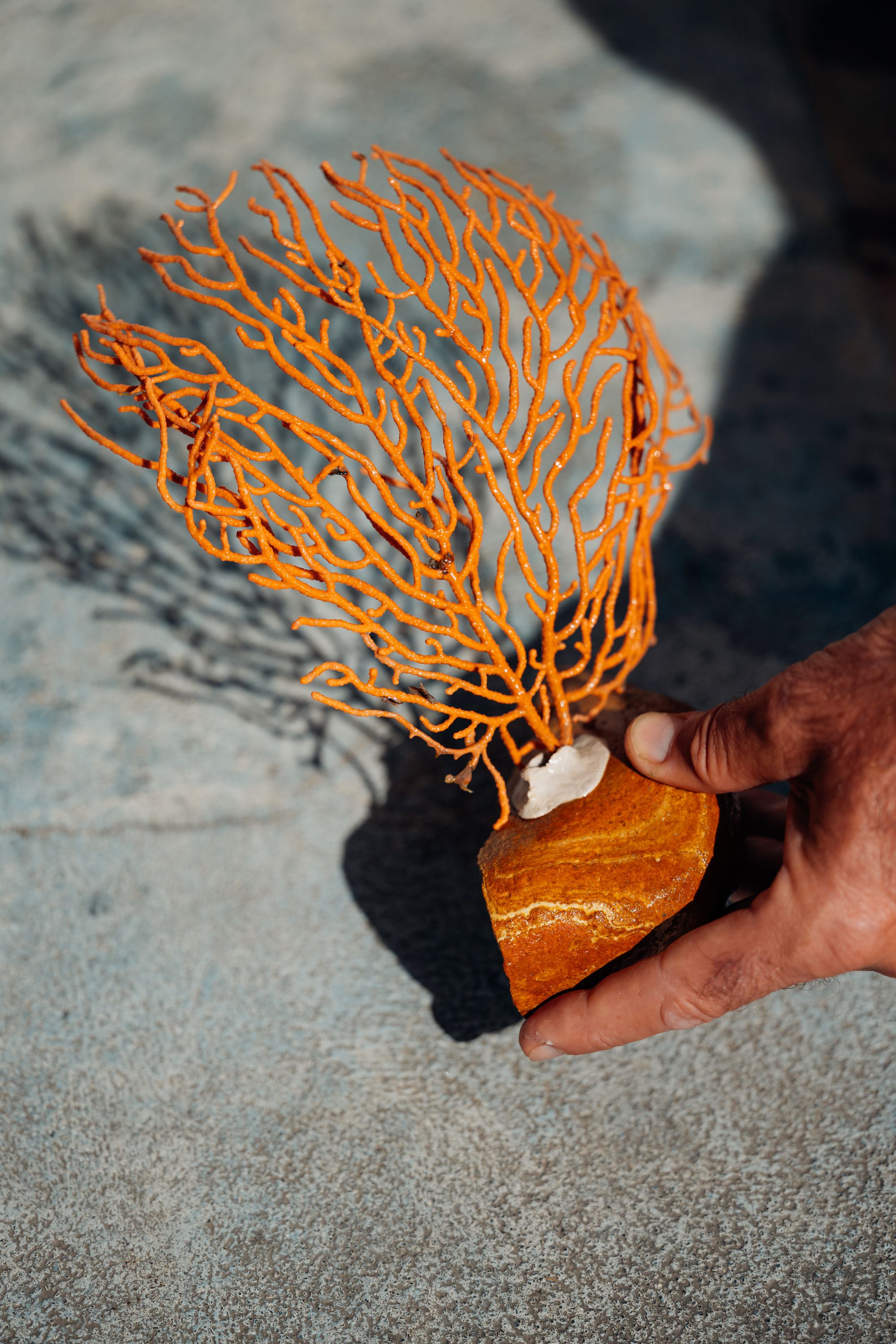
Overfishing has had a dramatic effect on complex habitats, and some species, such as the precious red coral, which is commonly used for jewellery, have largely disappeared from the western Mediterranean.
In a bid to fight back, fishermen on the Costa Brava are saving any corals which come up in their nets as part of a new scheme started in 2022 with the help of marine biologists.
“If I want the sea to have any future, it makes sense to put something back, like these corals,” says Franc Ontiveros, a lifelong fisherman taking part in the project.
“Poor management of fishing stocks has been a problem but if I can do something to help then I would like to. I am not sure fishing has a future but at least if I do this, I will be trying to do something about it.”
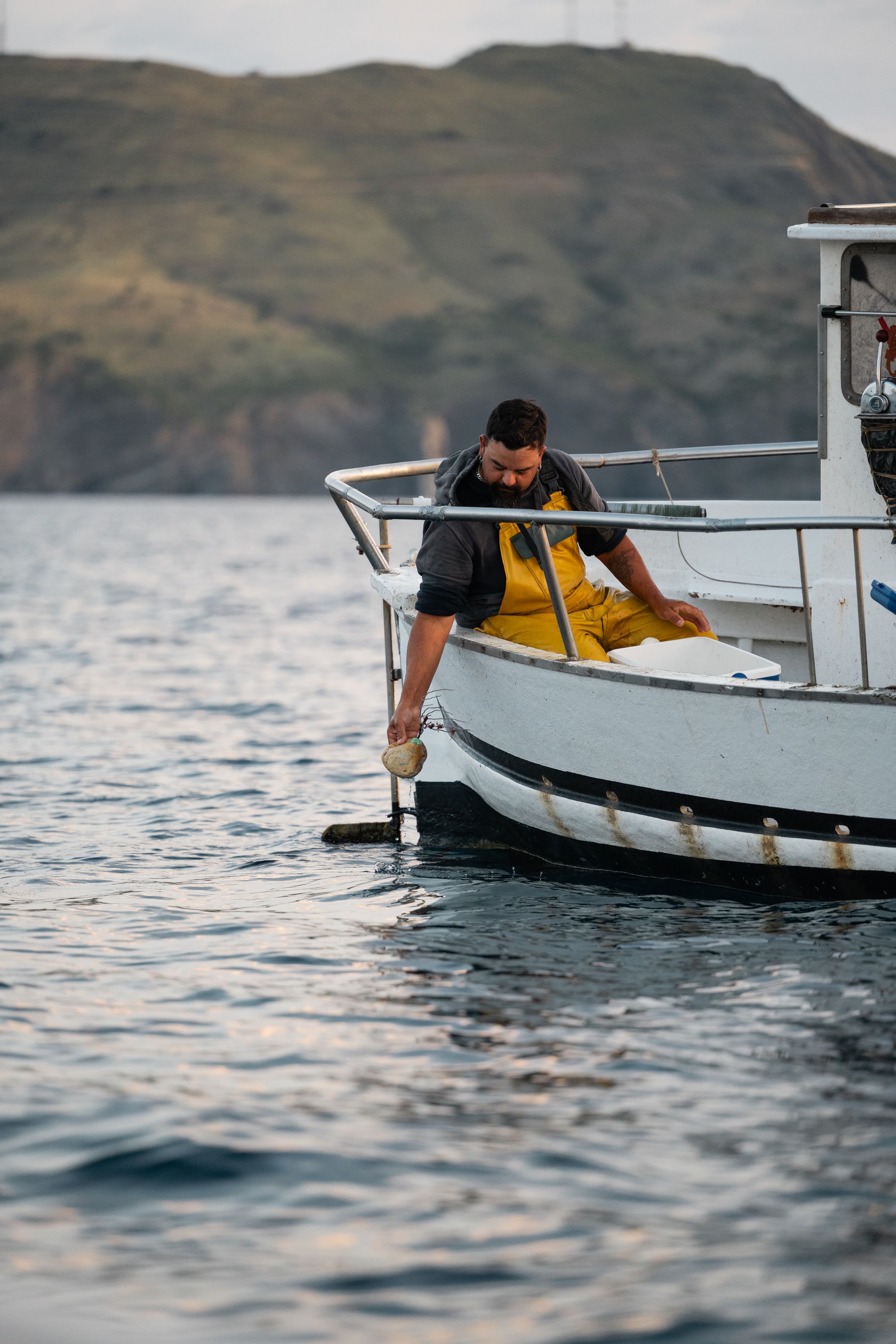
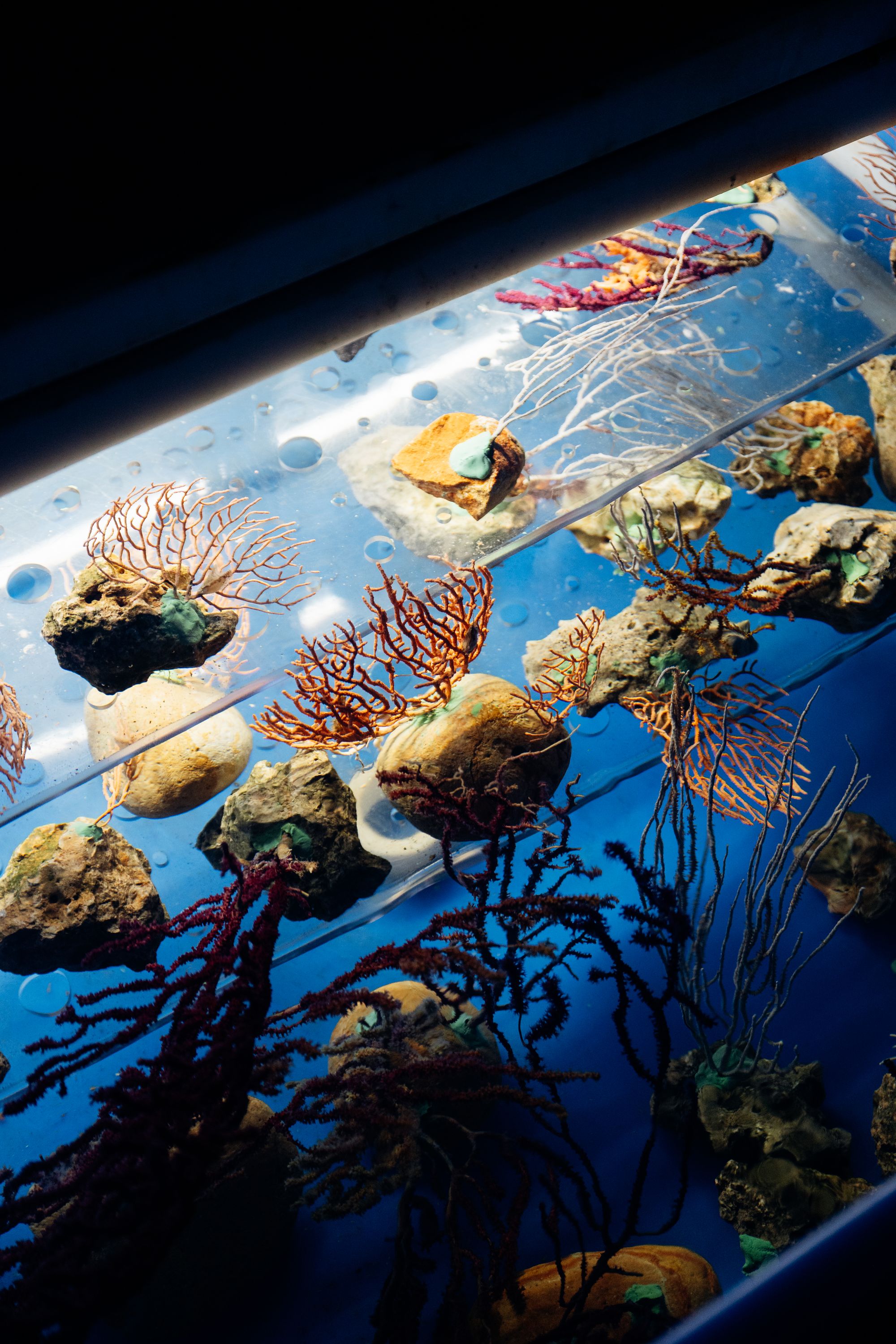
Mr Ontiveros, 50, fishes for monkfish, mullet and hake but can haul tens of corals every day that he goes to sea. After they are plucked from the water, they are put in a bucket before being handed over to marine biologists. They are then kept in special aquariums, where they are assessed to see if they will survive.
The lucky ones are returned to the seas along the Catalan coast in special “no take” zones, where authorities track the activities of boats to make sure they do not fish.
Mr Ontiveros’s boat, which is based in Palamos, a Catalan fishing town famous for its prawns, is one of about 48 along this stretch of Spanish coastline that have joined this effort to protect threatened species.
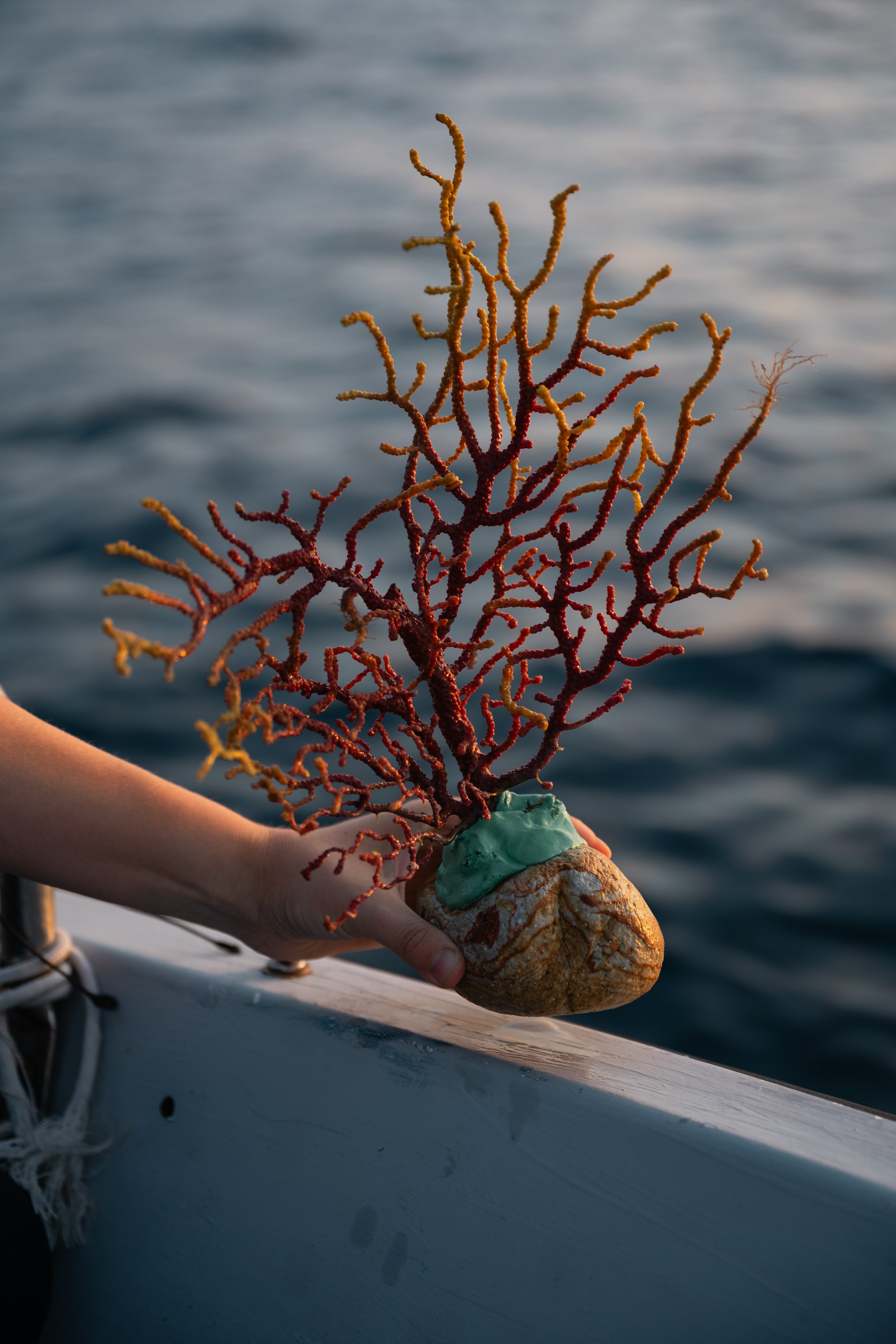
The haul of corals depends on the type of fishing, boats and habitat. Those who go out for red shrimps catch very few, but fishermen who trawl for fish on sea shelves have a large haul.
Jordi Grinyó Andreu, a researcher at the Institute of Sea Sciences in Barcelona and an expert in seafloor ecology, has been working on the €3.6m (£3.15m) project since it started in 2022. It is partly funded by the European Union, with the rest of the funds coming from the Spanish government.
“These creatures are being decimated by climate change and the destruction of their natural habitats,” he says. “We have encouraged the fishermen to take part. As one said: ‘If I want my son to be a fisherman one day, I have to act now’.”
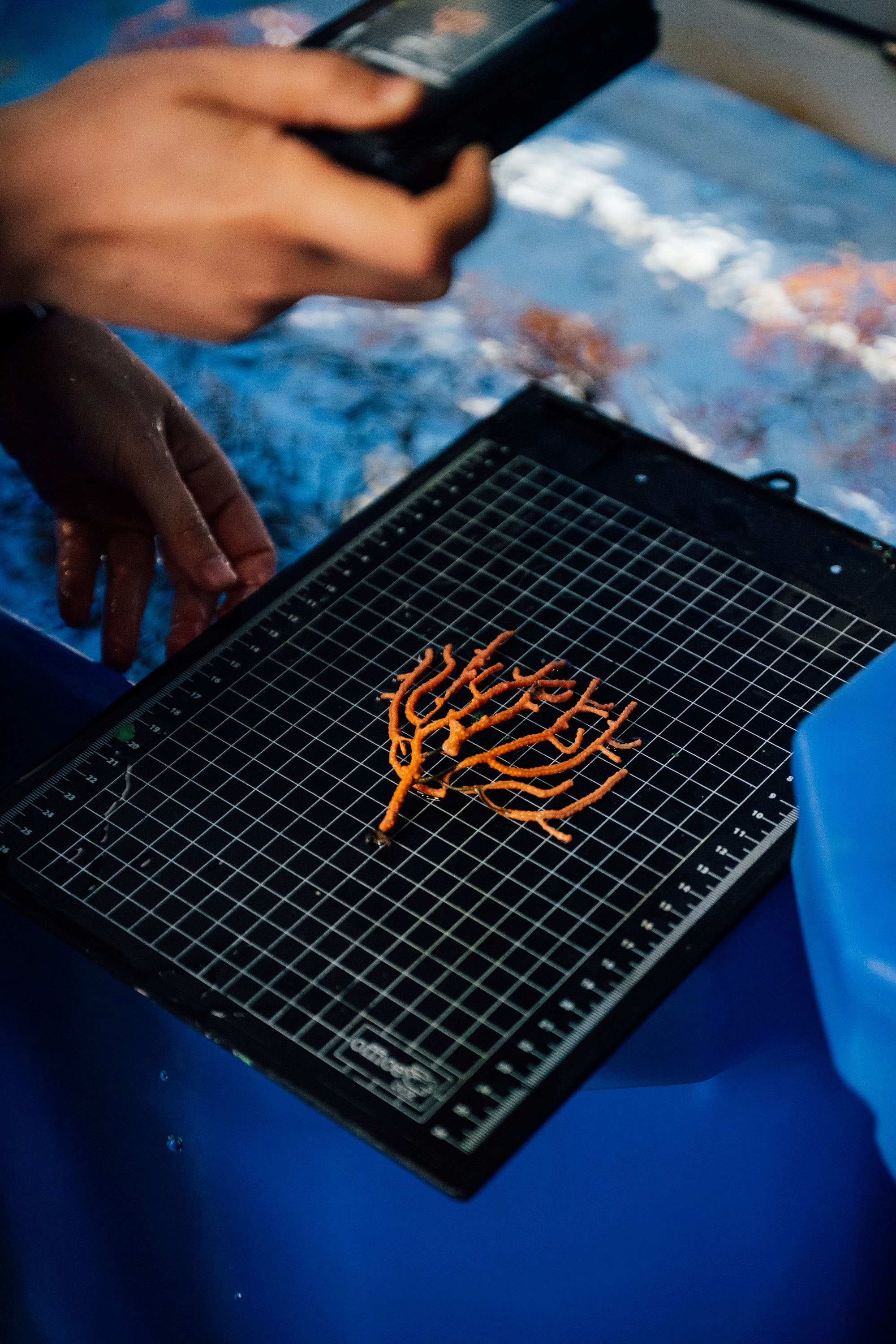
Mr Grinyó is passionate about the orange, pink and black corals he helps save with the fishermen.
“The coral populations in the Mediterranean have been under high threat. Some populations are stable, others are declining and some are critically endangered, like red coral and Isidella bamboo corals,” he adds.
Sadly, the fate of corals and sponges in the western Mediterranean is not an isolated one. Mr Grinyó says that seafloor ecosystems around the world face the same daunting future.
But researchers hope the knowledge gained from the scheme will help save these beautiful seafloor dwellers in other parts of the sea. New projects are expected to start in the Balearic Islands, near Cadiz and in Sicily.
Mr Grinyó says the cooperation between fishermen and marine biologists has given him hope for the future.
“This project shows that once fishermen and scientists work together, we can achieve great goals towards preserving marine ecosystems.
“In this sense, fishermen are a key component of the success of this project and they are working towards achieving a more sustainable form of fishing. Eventually the whole of society will benefit.”
#sea #deserves #future #fishermen #battling #save #rare #corals #Costa #Brava #climate #change