
By the time he was transferred to hospital, Thomas White had spent 13 years trapped in prison with no hope of release.
Under an abolished indefinite jail term – recognised as “psychological torture” by the UN – which he was sentenced to after stealing a mobile phone, Thomas had spiralled into psychosis and was diagnosed with paranoid schizophrenia.
His family had spent six years battling for his hospital transfer after he endured repeated mental health crises in prison, including setting himself alight in desperation and smashing his face on the cell floor. His family had hoped that his transfer to hospital would finally give him the hope that he needed to get better.
But Thomas, 42, has told his sister “it’s all a lie” after learning that he will be returned to prison – still without a release date – as soon as his mental health stabilises.
He is one of 233 prisoners serving imprisonment for public protection (IPP) sentences who have been transferred to secure units, in many cases because the hopeless nature of the jail term has left them profoundly damaged.

The open-ended jail terms were abolished in 2012, but not retrospectively, leaving almost 2,500 inmates who were already serving sentences incarcerated indefinitely. At least 94 people have taken their own lives in prison after losing hope of getting out.
A senior doctor who treats IPP prisoners has warned that more will likely take their lives in custody unless the government moves to end the scandal.
Two medical reports in 2024 laid bare the toll of the devastating IPP jail term on Thomas’s mental health, warning that his “lengthy incarceration” was creating “impermeable barriers” to his recovery.
Now, Thomas’s sister and two other families are calling for their loved ones to stay in hospital until they are ready to rejoin the community.
“We would just be back at the very start if he goes back to prison,” Rev Clara White told The Independent. “All over again. I think he would deteriorate very quickly. I think he will deteriorate from the journey from the hospital to prison.”
Roddy Russell, whose brother Rob has twice been admitted to hospital during the 16 years he has been languishing in jail, said: “What they are doing, in my view, is returning these prisoners back to their abusers.”
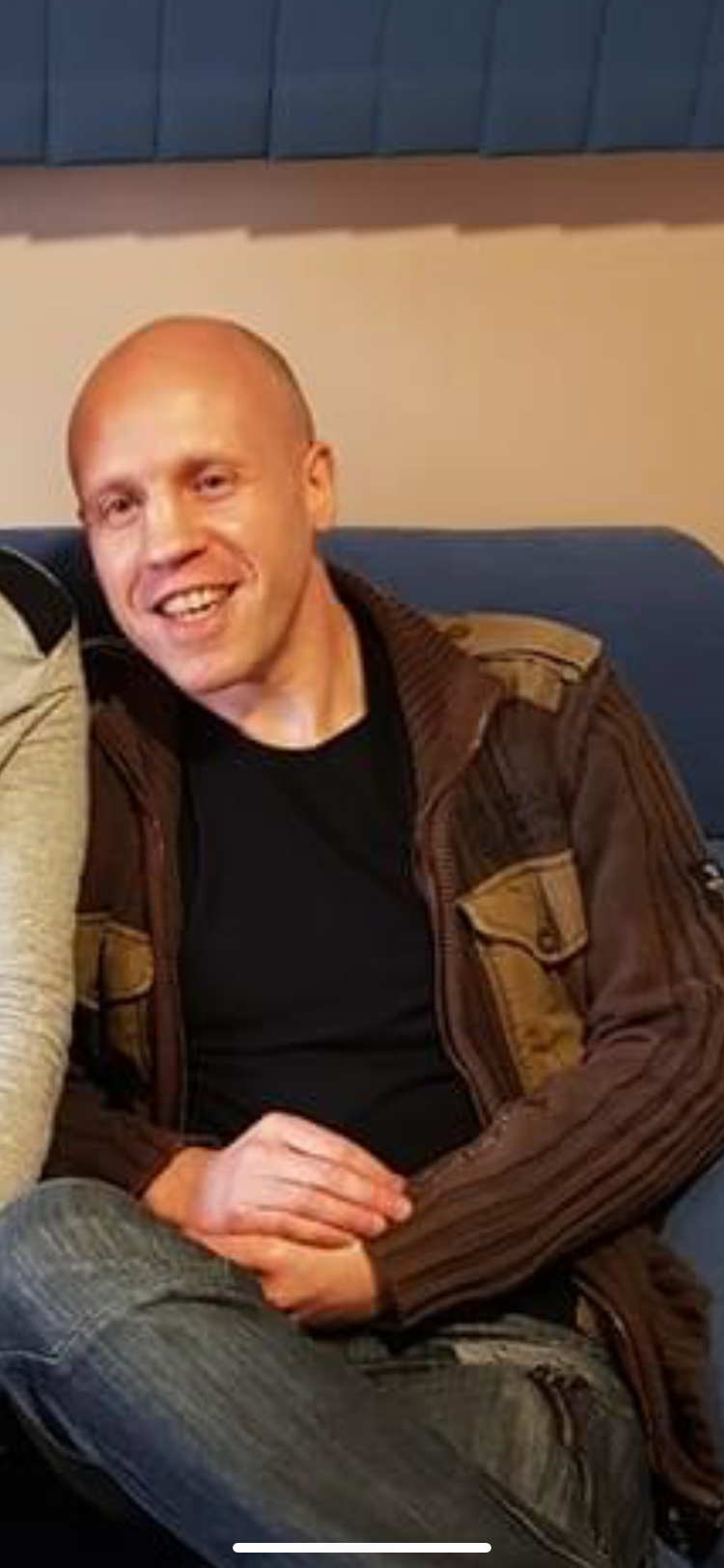
Rob was handed an IPP sentence with a minimum tariff of two years and 177 days for making threats to kill his former partner in 2009.
Ashamed at his brother’s crime, Roddy lost touch with Rob for several years, but was eventually called to visit him by worried prison officers inside HMP Bullingdon.
Rob had rapidly deteriorated after realising the IPP jail term meant that he would not be released after he had served his minimum tariff. When Roddy arrived at the prison, his brother was unrecognisable and “catatonic”.
“He was emaciated,” Roddy recalled. “He had grown a beard, he was all greasy and unkempt, dishevelled. I couldn’t have a coherent conversation with him at all. I left that visit and got outside and just broke down in tears at the fact that I couldn’t recognise my own brother, he had got in this almost catatonic state.”
Rob was transferred to a low-security hospital unit in Gloucester, where he was put on a special diet to regain weight and had to have dental surgery after his teeth had been left to rot. His physical condition was so poor that doctors considered amputating his foot after an untreated ingrown toenail had been left to fester.
But when his mental health improved, and he started taking better care of himself, he was sent straight back to prison, where he stopped engaging with staff. Rather than working towards his release, he has now been sent back to a higher-security mental health unit, this time in Somerset.
“He’s gone from a low-security hospital back to prison,” Roddy added. “Now he’s in a medium-secure hospital. That tells you that the prison system is making him worse.”
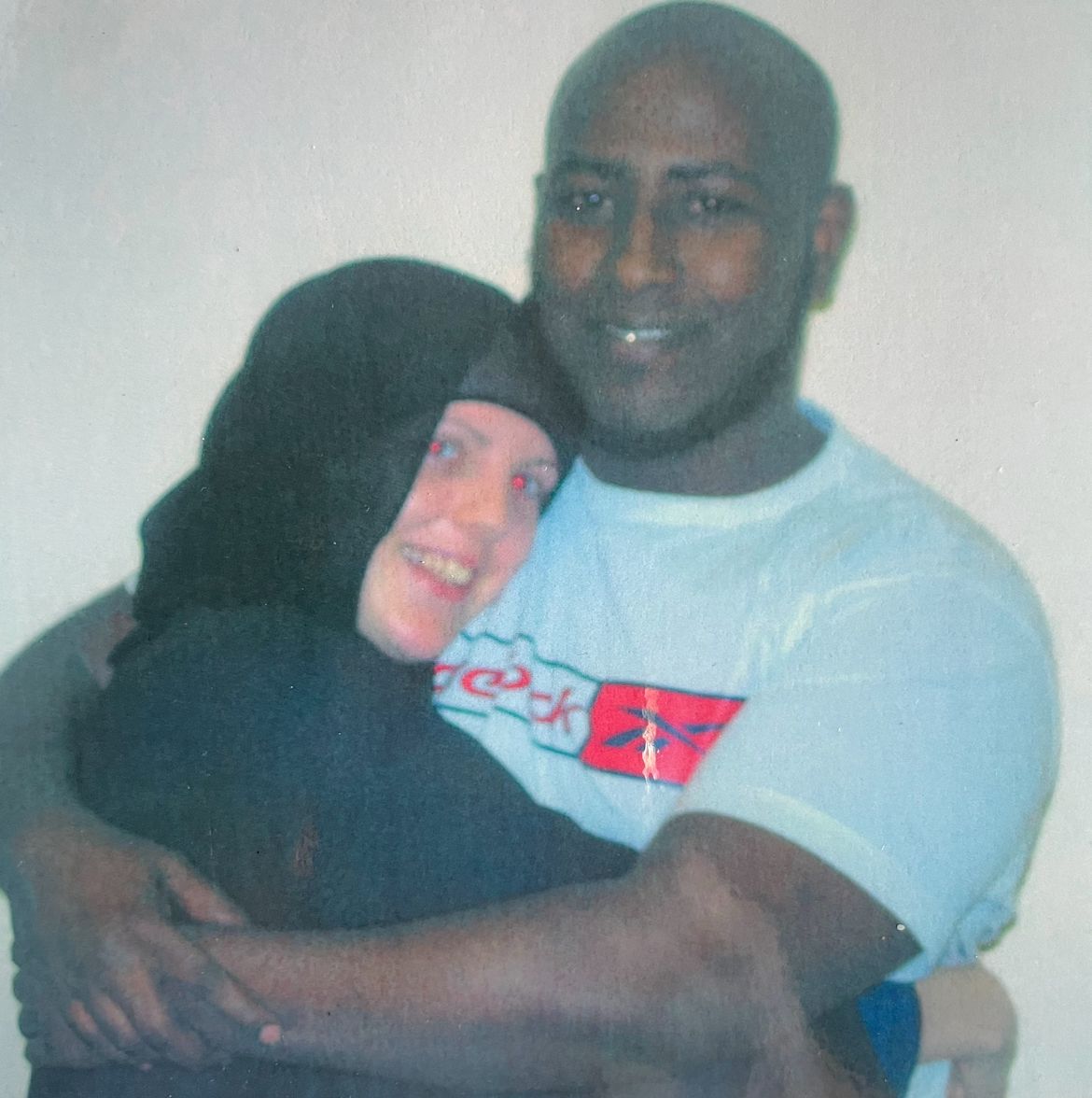
Abdullahi Suleman is still in custody 20 years after he was handed an IPP sentence in 2005 for a laptop robbery in a Cardiff park. In total, he has served almost 18 years in custody, having been released and recalled five times despite being convicted of no further crimes.
His plight is being investigated by the UN Working Group on Arbitrary Detention after his wife and campaigners submitted a major complaint.
Lawyers had found him “psychologically unwell, unkempt and delusional” inside scandal-hit HMP Swaleside, in Kent, where the prisons inspector this week said there is a “pervasive sense of despair” in an urgent warning to the government.
By the time he was moved to a secure hospital in September, Abdullahi had been held in segregation for around eight months, his wife Bernadette Emerson said.
She described the 41-year-old, who was diagnosed with bipolar disorder before he was jailed but has deteriorated in prison, as being frail, emaciated and “close to death” before he was transferred. She fears that if he is returned to prison, he will go “straight back into psychosis”, telling The Independent: “He was suicidal in prison. It will break him. It will actually break him mentally.”
Successive governments have refused recommendations to resentence the remaining IPP prisoners. However, Ms Emerson, who founded the IPP Solidarity Movement, believes there is no hope while the government remains committed to the refreshed IPP Action Plan, which it says is the only pathway for prisoners to progress to release.
“It’s basically rebranding the IPP sentence with a different name,” she added. “It does exactly what the IPP used to do.”
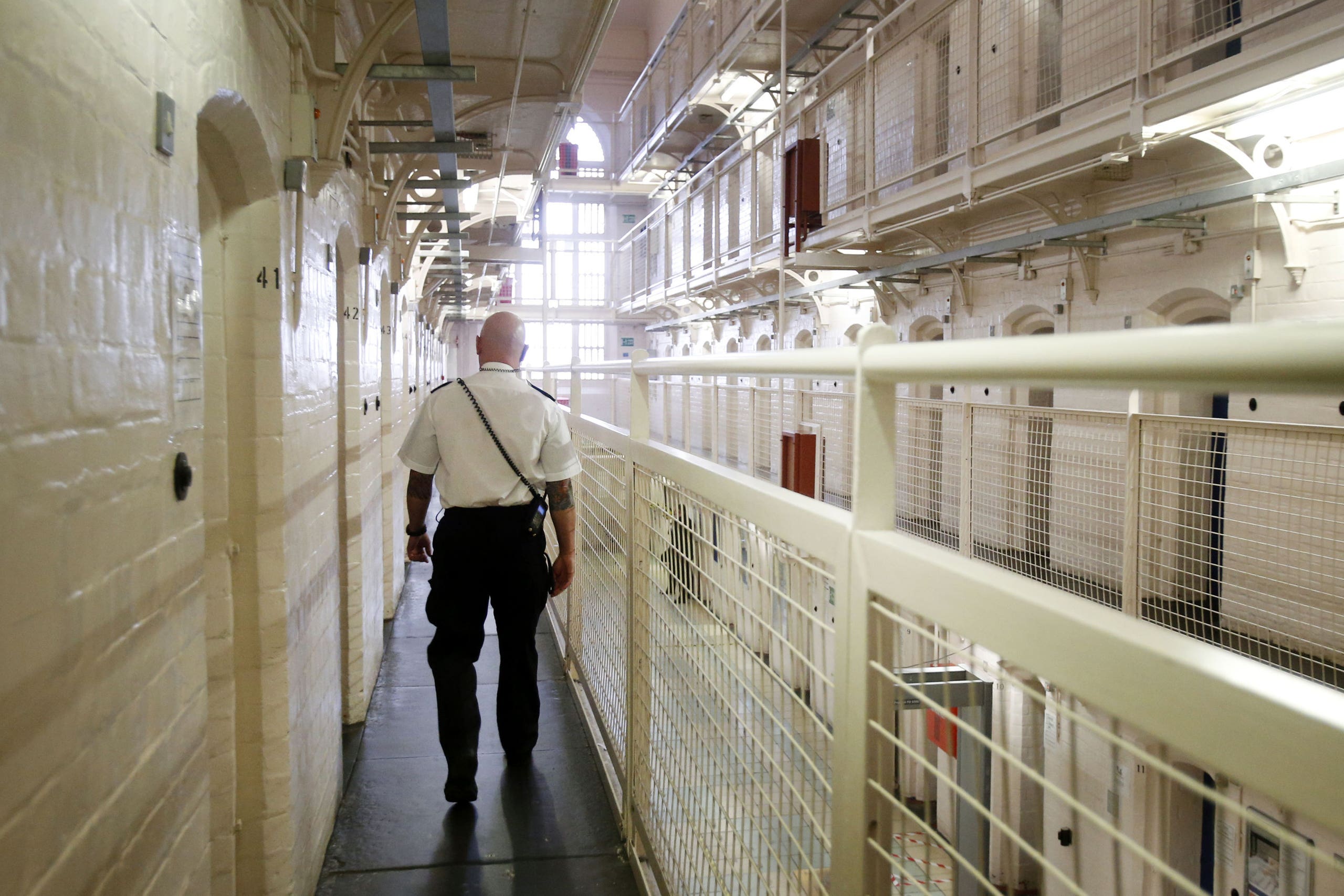
Consultant forensic psychiatrist Dr Callum Ross, a committee member at the Royal College of Psychiatrists, has worked with many patients serving IPP sentences at Broadmoor Hospital, a high-security psychiatric facility in Berkshire.
He agrees with a damning assessment by the UN’s special rapporteur on torture, Dr Alice Jill Edwards, who said the conditions faced by these prisoners amount to “psychological torture”.
All too often, Dr Ross says, the system by which he will treat a patient, only for them to be sent back to prison under an unjust jail term, creates a conflict between the patient and the practitioner.
He told The Independent: “How do you motivate somebody to take part in treatment at hospital, if the outcome of that is effectively to facilitate their return to prison?”
Dr Ross fears that more IPP prisoners will take their lives in custody without government action to address the scandal. “I think the key thing here is hope, or rather hopelessness,” he added. “And I think that loss of hope contributes to low mood, and I think that lies behind the increased rate of suicide.”
The expert has backed proposals put forward by the Howard League for Penal Reform last year for all remaining IPP prisoners to be given a release date within two years of their next parole hearing. He has also called for all IPP inmates to be given a package of mental health support on release, in recognition of the psychological harm caused by the jail term.
He believes all those on the sentence should be given aftercare, which can help prisoners with housing, health and education as they rejoin the community.
A Prison Service spokesperson said: “It is right IPP sentences were abolished. All IPP prisoners treated under the Mental Health Act receive aftercare when they leave hospital, whether returning to prison or going into the community.
“This support prepares them to cope with life outside hospital, reducing the risk of their mental health deteriorating.”
#Driven #mental #illhealth #IPP #prisoners #secure #hospitals