
After deposing Venezuela’s president and taking over the country’s enormous oil reserves, President Donald Trump is floating the idea of using taxpayer funding to incentivize U.S.-based oil companies to expand operations there.
Since the military operation that led to the arrest of Nicolás Maduro and his wife, Trump said he would like the U.S.’s “very large” oil companies to “spend billions of dollars” to fix Venezuela’s broken oil infrastructure.
But getting the U.S.’s largest oil companies, ExxonMobil, Chevron Corp. and ConocoPhillips, to expand – or restart oil production in the country will be more difficult than a simple request due to the long history of political and economic turmoil.
“A tremendous amount of money will have to be spent, and the oil companies will spend it, and then they’ll get reimbursed by us or through revenue,” Trump told NBC News on Monday, suggesting the government could subsidize funding.
Utilizing government subsidiaries to assist oil companies in drilling is nothing new, through favorable tax policies. But whether that can convince the companies to invest billions in Venezuelan oil is unclear.
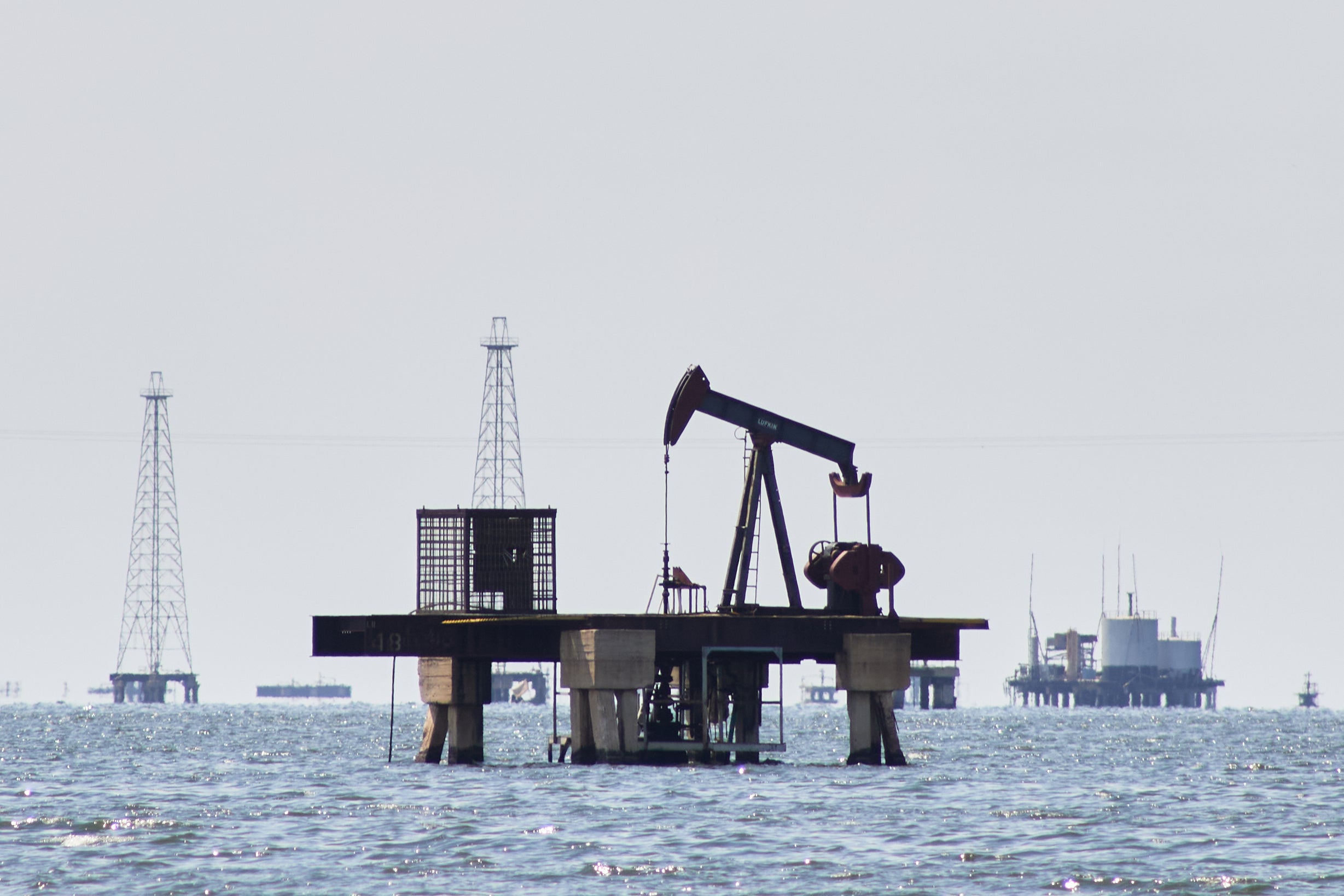
All three major companies once drilled in Venezuela, but political instability, U.S. sanctions on Venezuela and ultimately the country’s decision to nationalize its oil industry and seize billions in assets forced ExxonMobil and ConocoPhillips to exit.
When asked about the possibility of re-entering Venezuela, ConocoPhillips said in a statement, “It would be premature to speculate on any future business activities or investments.”
Chevron is the only remaining U.S. oil company that maintains operations in Venezuela.
Mike Wirth, the CEO of Chevron, told Bloomberg in December that he was unclear about the president’s intentions in Venezuela at the time but that the company had spoken with the White House to ensure it remained in compliance with laws and sanctions.
Wirth cautioned, at the time, that any decisions about expanding oil production in Venezuela could take a long time because Chevron must “take a long view on our presence in a country like this.”
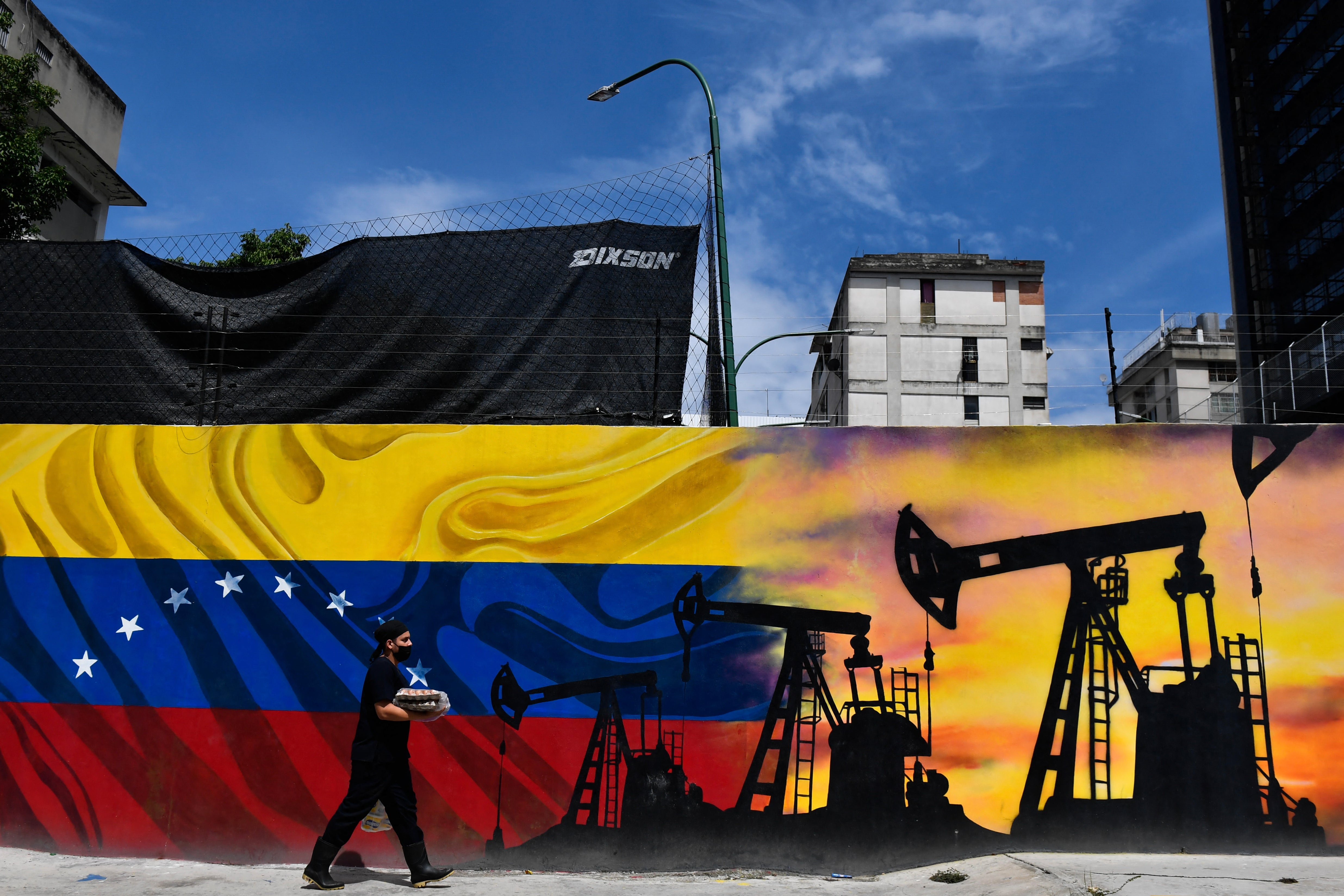
The country’s history of instability makes it a daunting task for U.S. oil companies to expand costly operations in Venezuela.
Oil companies would need to spend billions of dollars over several years to modernize the country’s oil infrastructure, Francisco J. Monaldi, the director of Latin American Energy Program at Rice University, told CBS News.
While the current administration could incentivize oil companies with subsidiaries, companies will also have to consider whether the next administration would uphold those – another potential risk that may outweigh the massive cost.
Secretary of Energy Chris Wright spoke with the executives of the three companies this week and was expected to meet with them during a Goldman Sachs industry event in Miami on Wednesday, according to the Washington Post.
#art #drill #Trump #considers #subsidies #push #oil #companies #drill #Venezuela