
David Hockney, one of the UK’s greatest painters, has made a dramatic intervention to try and stop plans to bring the Bayeux Tapestry to the UK, over fears it could be irreparably damaged.
The priceless 11th-century work, which depicts the Norman conquest in 1066, is set to be transported from Bayeux in Normandy, France, where it has been on display for many centuries, to be shown at the British Museum as part of a nine-month exhibition set to attract millions of visitors.
The 70-metre-long medieval relic, which is said to be insured for £800m by the UK government during the loan, was hailed as a “unique treasure” by prime minister Sir Keir Starmer. The fragile cloth depicts 58 scenes of the 1066 battle that saw William the Conqueror take the English throne from Harold Godwinson and become the first Norman king of England.
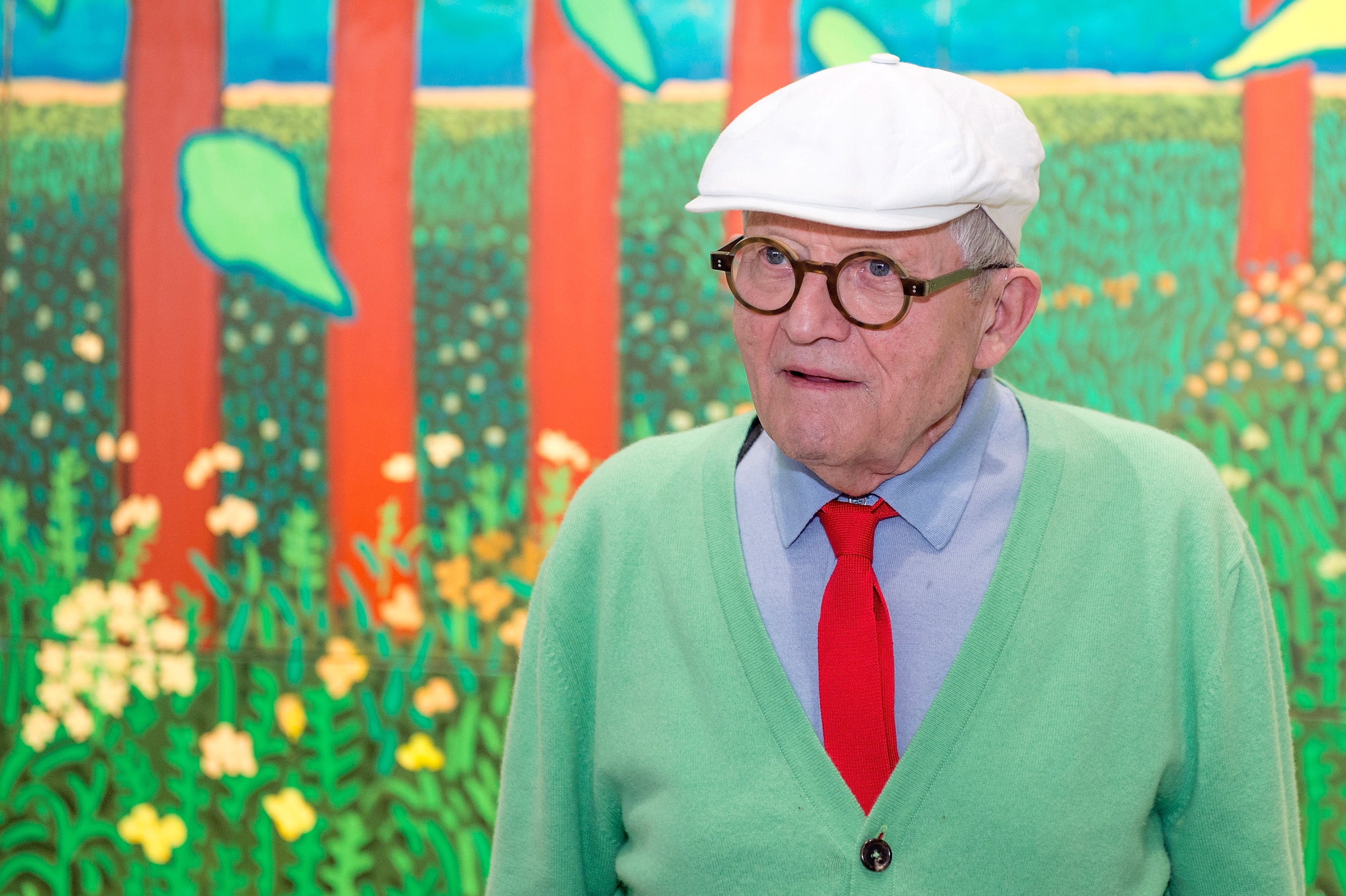
But writing exclusively in The Independent, Mr Hockney has slammed the plans, describing proposals to move the fragile 1,000-year-old artefact as “madness” and “too big a risk” to take.
“The 58 narrative scenes have been observed in Bayeux for nearly a millennium,” he wrote, adding it has “survived political upheaval and wars” but now faces an “unnecessary conservation ordeal”.
“While moving the Bayeux Tapestry to the UK might have vanity and symbolic educational value, the physical and environmental risks are substantial,” Mr Hockney continued.
He hit out at the “reckless” nature of moving what he called a “historic and important” work, branding the plans of the British Museum as carrying “significant risk”.
“Why does a London museum which prides itself on conserving and preserving great art want to gamble on the survival of the most important art image of scale in Europe?” he asked. “It is madness. I am not afraid to speak up for art. It is something that has defined my life for more than eight decades.”
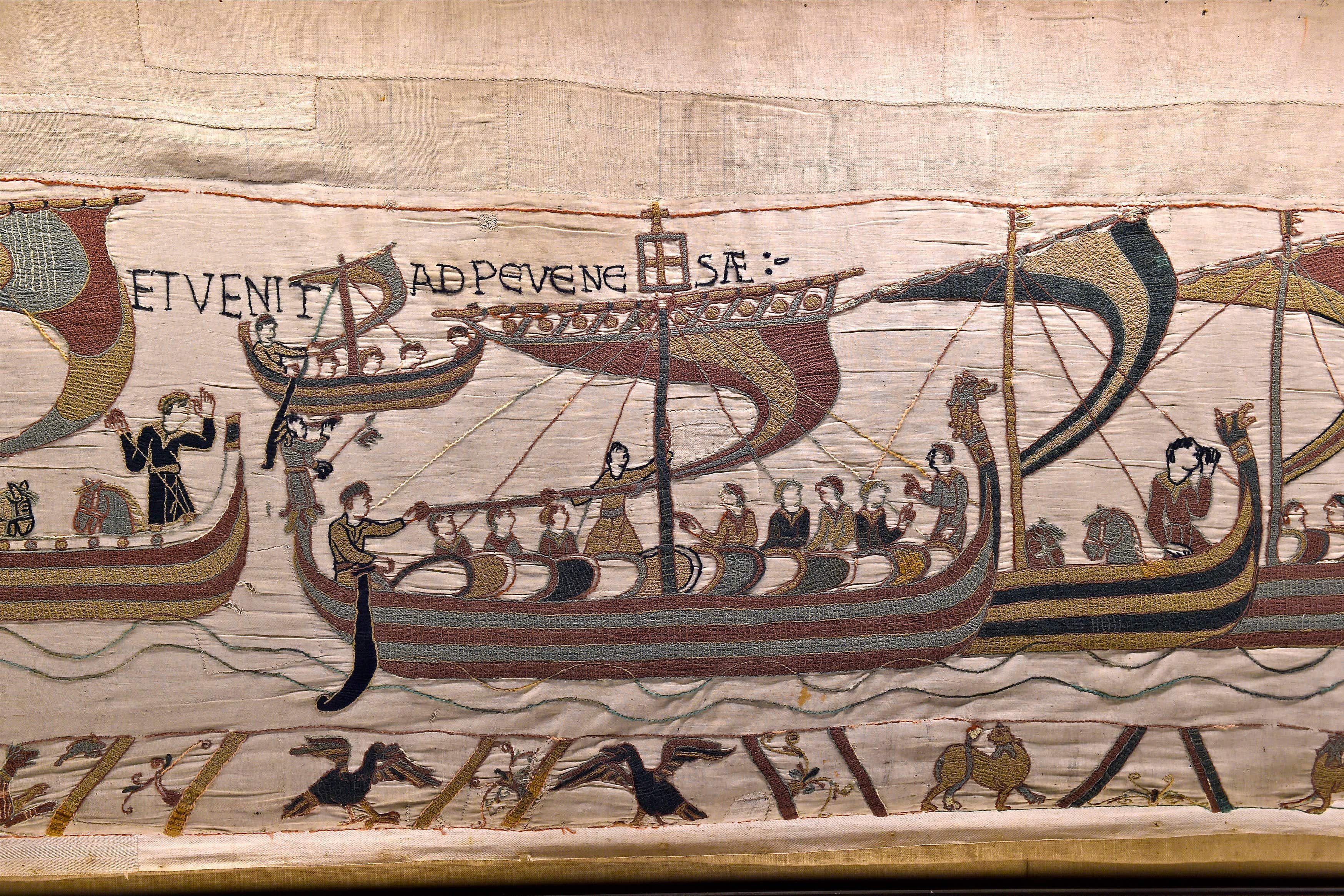
Mr Hockney said the world-renowned tapestry, which is listed as one of nearly 600 items in Unesco’s Memory of the World register, is at risk of damage as soon as it leaves the “tightly controlled” conditions of Bayeux.
The artist detailed risks from sudden changes in temperature, humidity or light exposure, which can lead to fibre contraction or expansion or colour fading. Backed on fragile linen, he argued any movement of the relic’s wool embroidery threads put it in danger of “tearing, stitch loss and distortion of the fabric”.
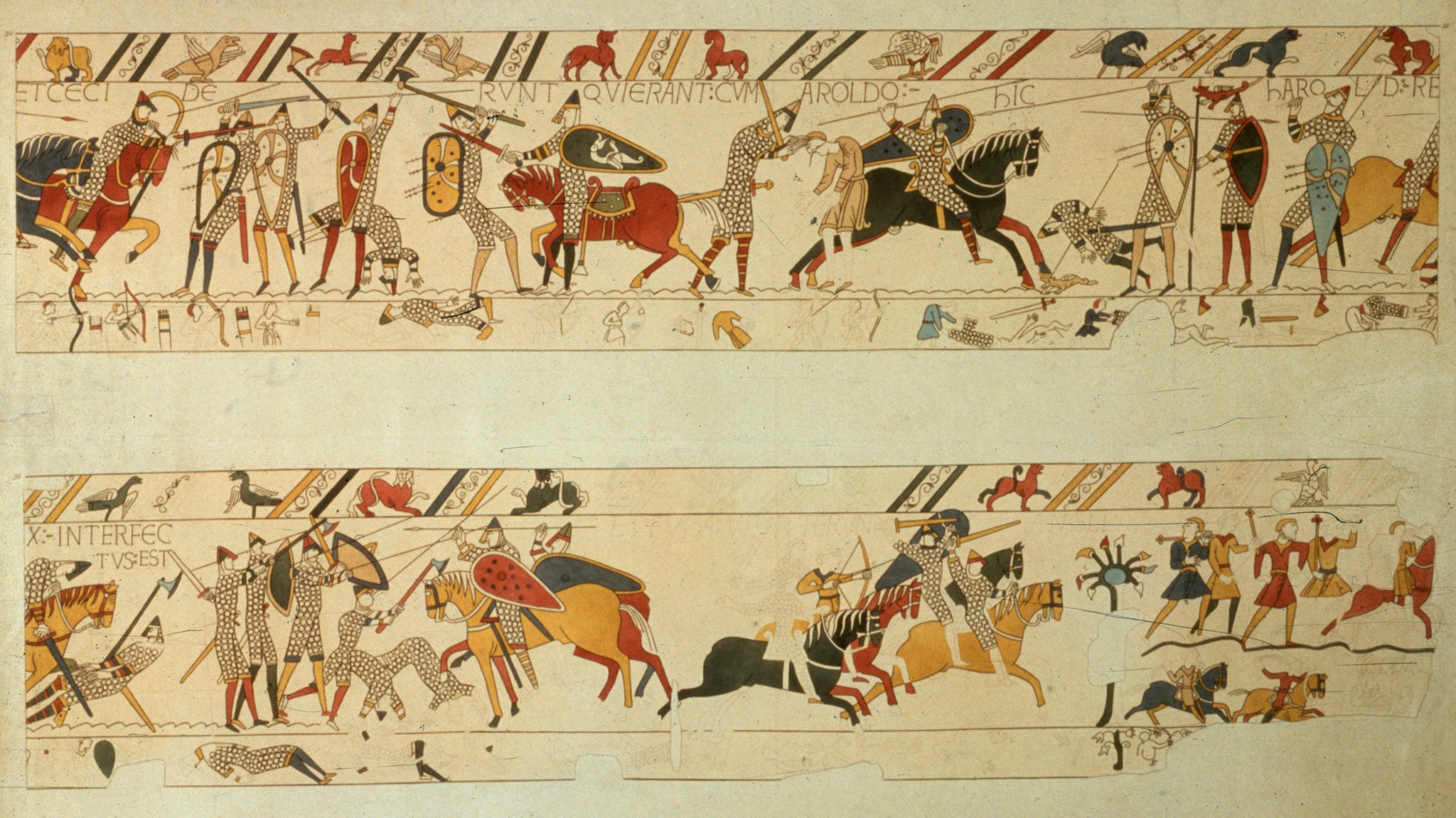
Increased exposure while it is exhibited in the UK could also lead the precious tapestry to fade and become vulnerable, according to Mr Hockney.
He questioned why experts are considering moving the work, accusing the British Museum of wanting to “boast of numbers of visitors”.
“Is it really worth it?” he asked. “I think not. I suggest it stays, and there is a proper debate about it being moved.”
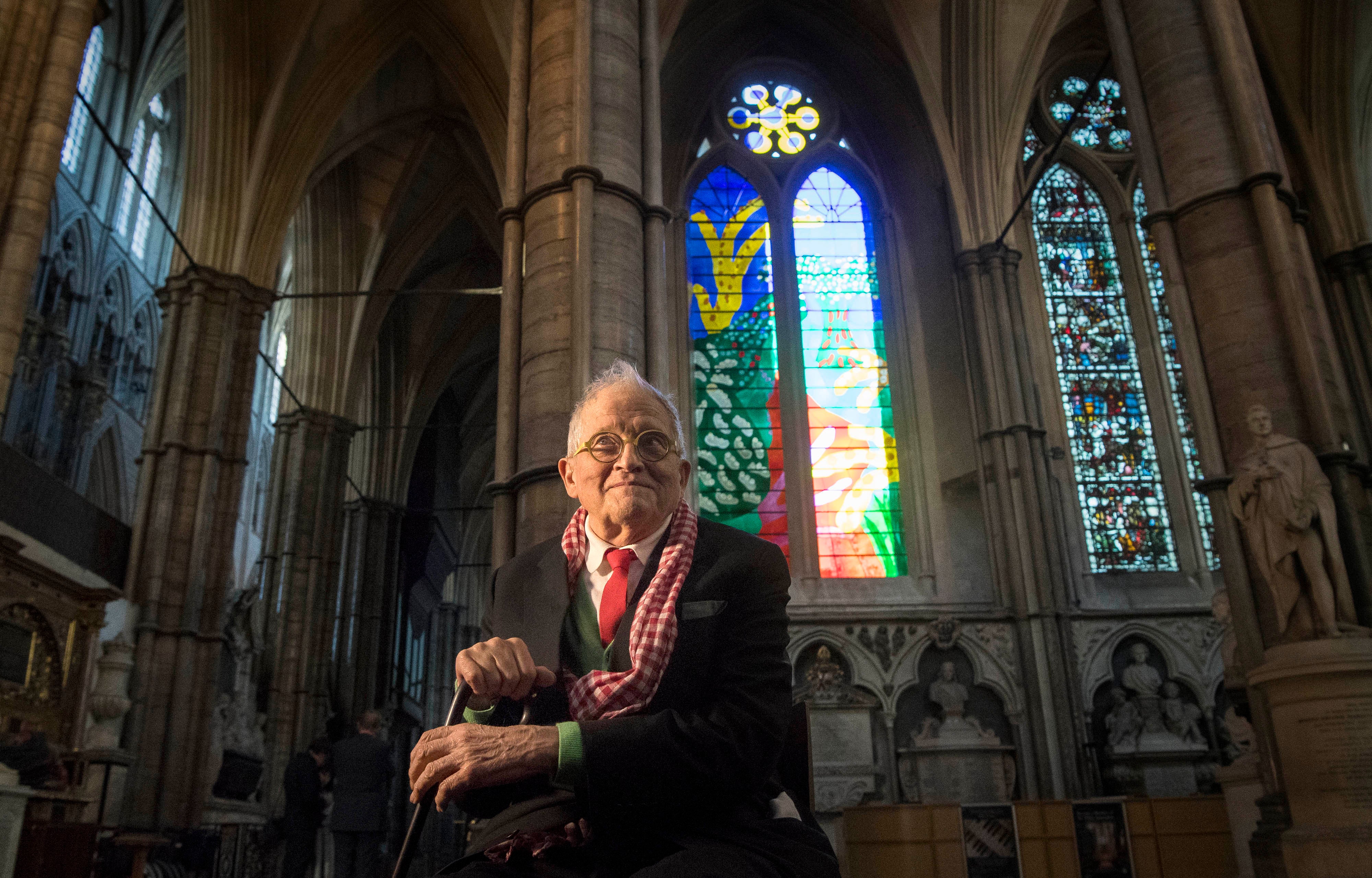
Mr Hockney’s warning comes as controversy over foreign ownership of ancient and significant artworks grows. The British Museum has faced regular criticism for its right to hold the treasures taken from other countries during the colonial heyday of the British Empire, including the Elgin marbles from Greece and the Rosetta Stone from Egypt.
The artwork, which has not been on British soil since it was created in the years after the 1066 Battle of Hastings, has been described by British Museum director Nicholas Cullinan as “one of the most important and unique cultural artefacts in the world”.
There have been three previous British requests for the historic treasure to be loaned to the UK, none of which have been successful. But as the tapestry’s purpose-built home, the Bayeux Museum in northern France, undergoes renovation, a loan has been agreed in a historic first.

It comes as part of a cultural exchange that will see the British Museum loan the Sutton Hoo collection, the Lewis Chessmen and other items to France in return.
But the loan of the artefact has raised alarm from heritage experts over the ancient embroidery’s already fragile state.
More than 40,000 people signed a petition in August to stop it from being loaned to the UK, with art historian Didier Rykner expressing concerns that the tapestry could be damaged.
At the time, the British Museum said in a statement that its conservation and collections management team is experienced at handling and caring for this type of material and is working with colleagues in France on the tapestry’s display.
#David #Hockney #slams #plans #bring #Bayeux #Tapestry #madness #major #intervention