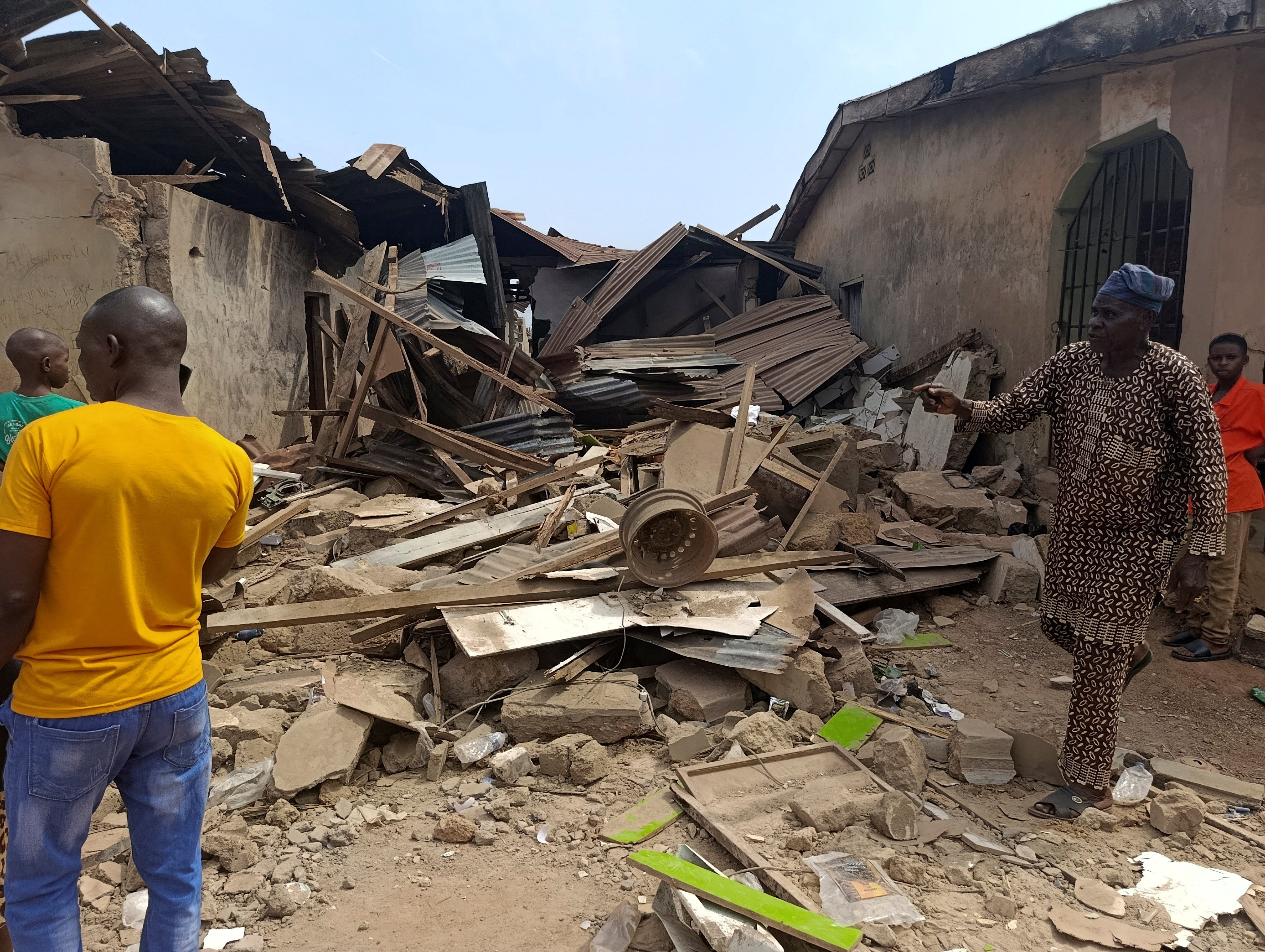
The United States launched more than a dozen Tomahawk cruise missiles on Nigeria on Christmas Day after President Donald Trump accused the West African country’s government of failing to protect persecuted Christians.
U.S. military officials said the attack, which they said was coordinated with Nigerian authorities, targeted ISIS-linked groups that Trump has accused of “targeting and viciously killing, primarily, innocent Christians at levels not seen for many years, and even Centuries.”
But the strikes follow the Trump administration’s drastic reduction of the number of refugees admitted into the United States each year, while adding Nigeria to a growing list of countries where travel and immigration into the country has been severely restricted.
Over the last decade, Nigerians received an average of 128,000 immigrant and nonimmigrant visas on an annual basis, nearly all of which will now face severe restrictions, blocking most legal pathways into the country, according to an analysis from the American Immigration Council.
Nigeria, the most populous country in Africa, has long been plagued by violence, and analysts and local officials have argued that Nigerians of many faiths — including Christians and Muslims — have suffered under the web of armed groups in conflicts that the Trump administration has now waded into.
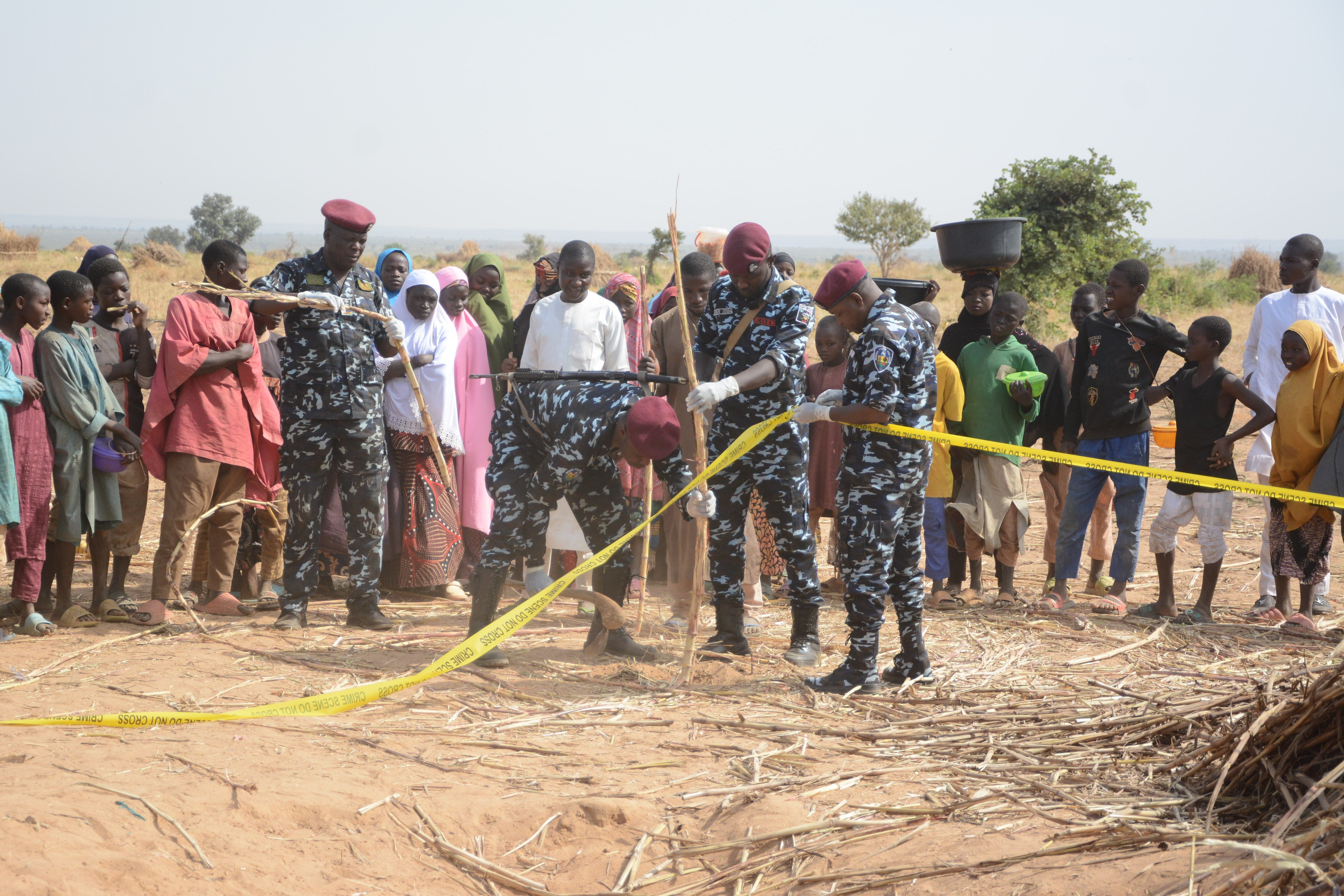
The Trump administration’s operation appears to follow a months-long narrative from Republican officials and Trump-aligned Christian evangelical groups that Christians are the targets. Last month, the president suggested the United States could enter the country “guns-a-blazing,” and he has since promised more attacks if the “slaughter of Christians continues.”
The Christmas strikes hit Sokoto State, a majority-Muslim area where recent violence is linked to a group called Lakurawa, according to the Armed Conflict Location and Event Data Project. Some analysts have linked the group to the Islamic state while others have argued a connection to a rival al-Qaeda outfit Jama’at Nusrat al-Islam wal-Muslimin.
Trump’s targeting of the area, coupled with the American narrative, is “politically convenient,” according to Mustapha Alhassan, a security analyst in Nigeria who spoke to The Washington Post.
“Nigerians would welcome the help if it was hitting precise targets,” he said. “But that doesn’t seem to be what is happening. All of this is to what end?”
In October, Trump designated Nigeria a “country of particular concern” under the U.S. International Religious Freedom Act.
The largely symbolic label is given to countries that have “engaged in severe violations of religious freedom” and instructs nations to “take targeted responses to violations of religious freedom.”
Nigerian President Bola Ahmed Tinubu has said that the “characterization of Nigeria as religiously intolerant does not reflect our national reality, nor does it take into consideration the consistent and sincere efforts of the government to safeguard freedom of religion and beliefs for all Nigerians.”
At the same time, the Trump administration is limiting the number of refugees admitted into the United States each year — and handing most of those limited slots to white South Africans.
Refugee admissions will now explicitly prioritize Afrikaners for resettlement, and the ceiling for admissions has been radically reduced from 125,000 people to only 7,500 for the next year.
The move represents a stark break from a refugee policy informed by humanitarian needs, not ideology or identity, according to refugee resettlement groups.
The administration’s latest expansion of the travel ban bars people from an additional seven countries from entering the United States on immigrant and non-immigrant visas, while Nigeria has been added to a list of countries banned from all immigrant visas and all tourist, student, and exchange visitor visas.
U.S. officials are “using the language of security to justify blanket exclusions that punish entire populations, rather than utilizing individualized, evidence-based screening,” Global Refuge president Krish O’Mara Vignarajah said earlier this month in response to the expanded travel ban.
“Security is essential, but it demands precision,” Vignarajah added. “Blanket bans only serve to weaken our system by replacing careful vetting with collective punishment.”
#Trump #hes #protecting #Nigerian #Christians #admin #blocking #coming