
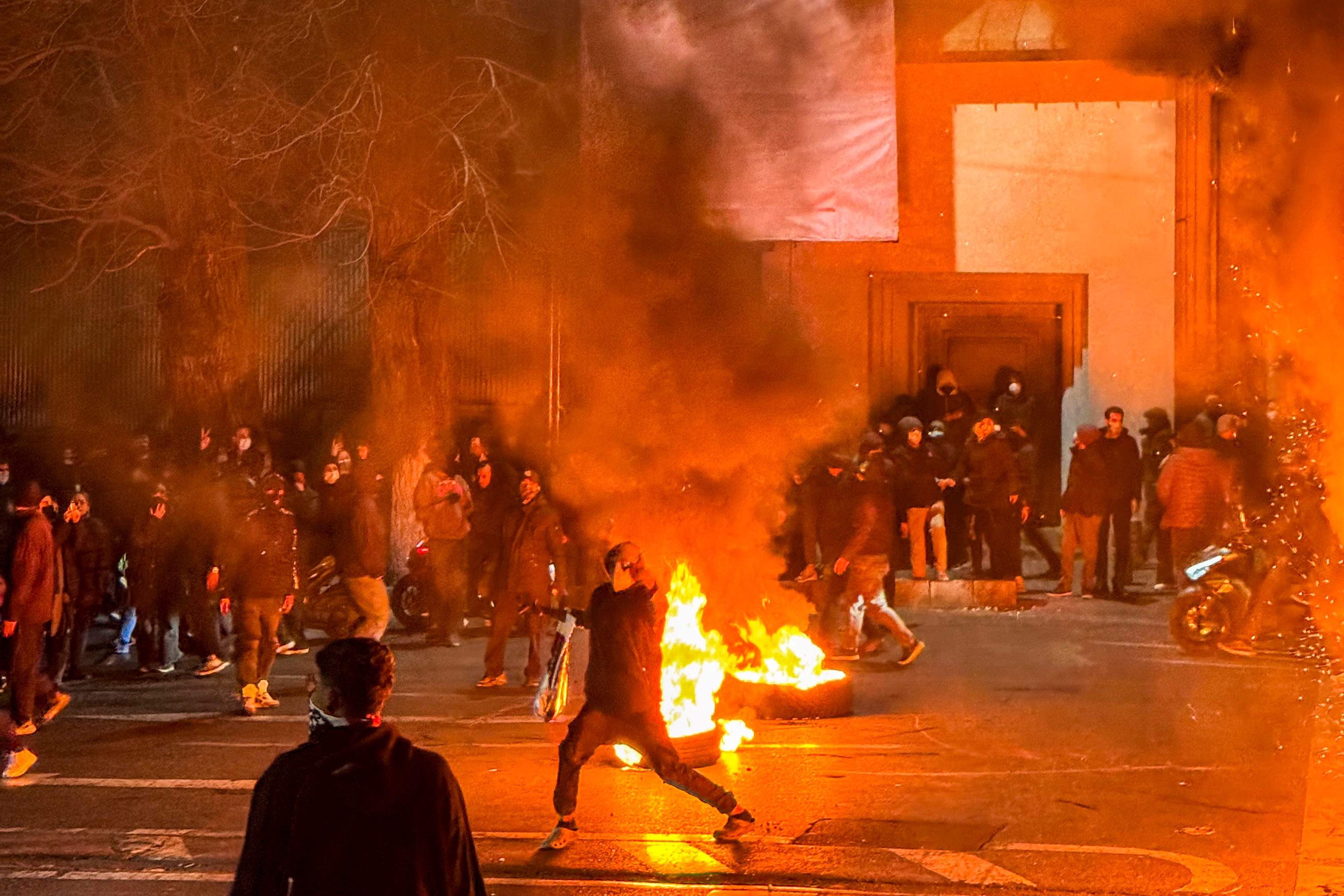
As protests raged across Iran over the weekend, the authoritarian regime imposed a near-total internet blackout – and many demonstrators turned to Elon Musk’s Starlink in the hope that it could connect them to the outside world.
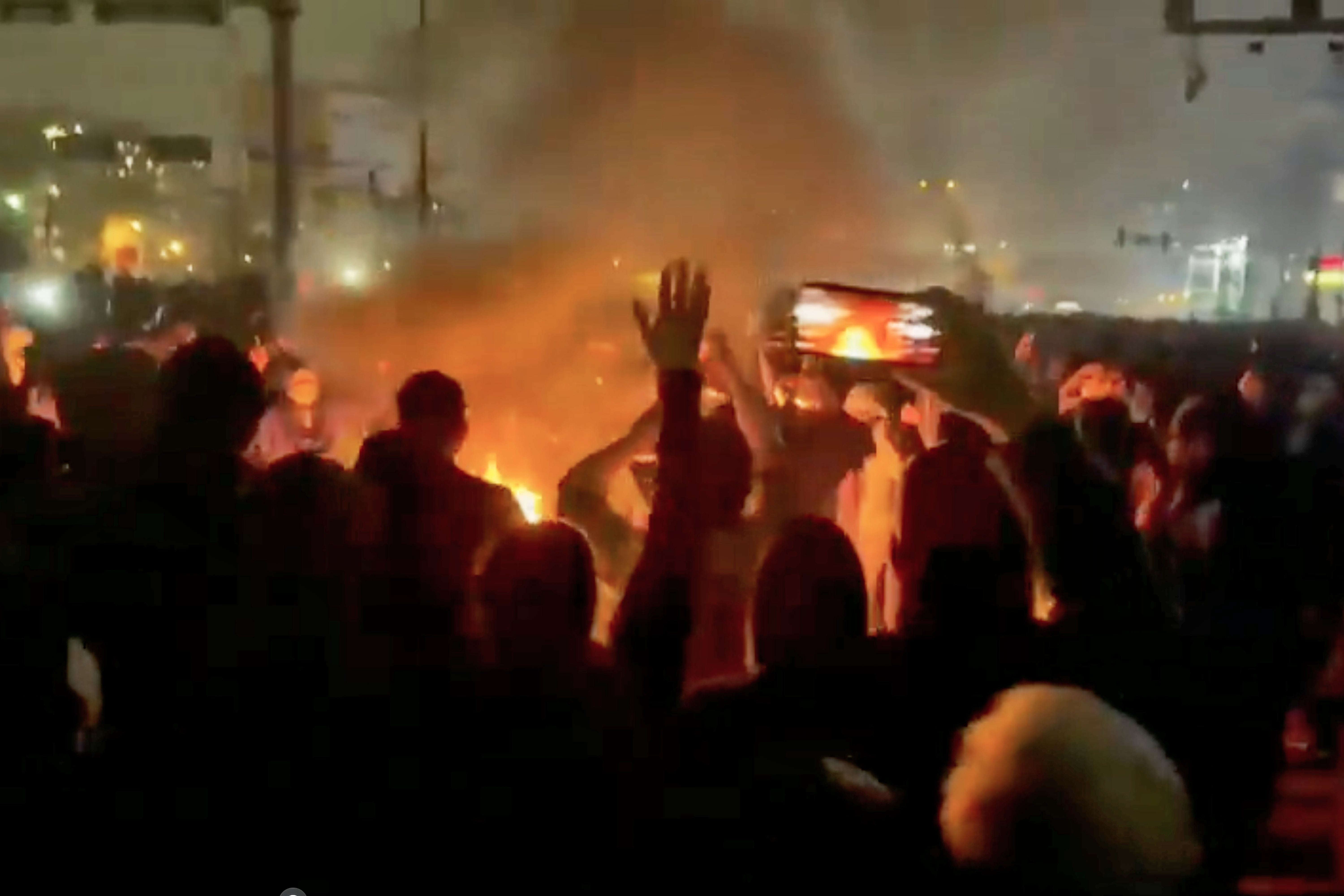
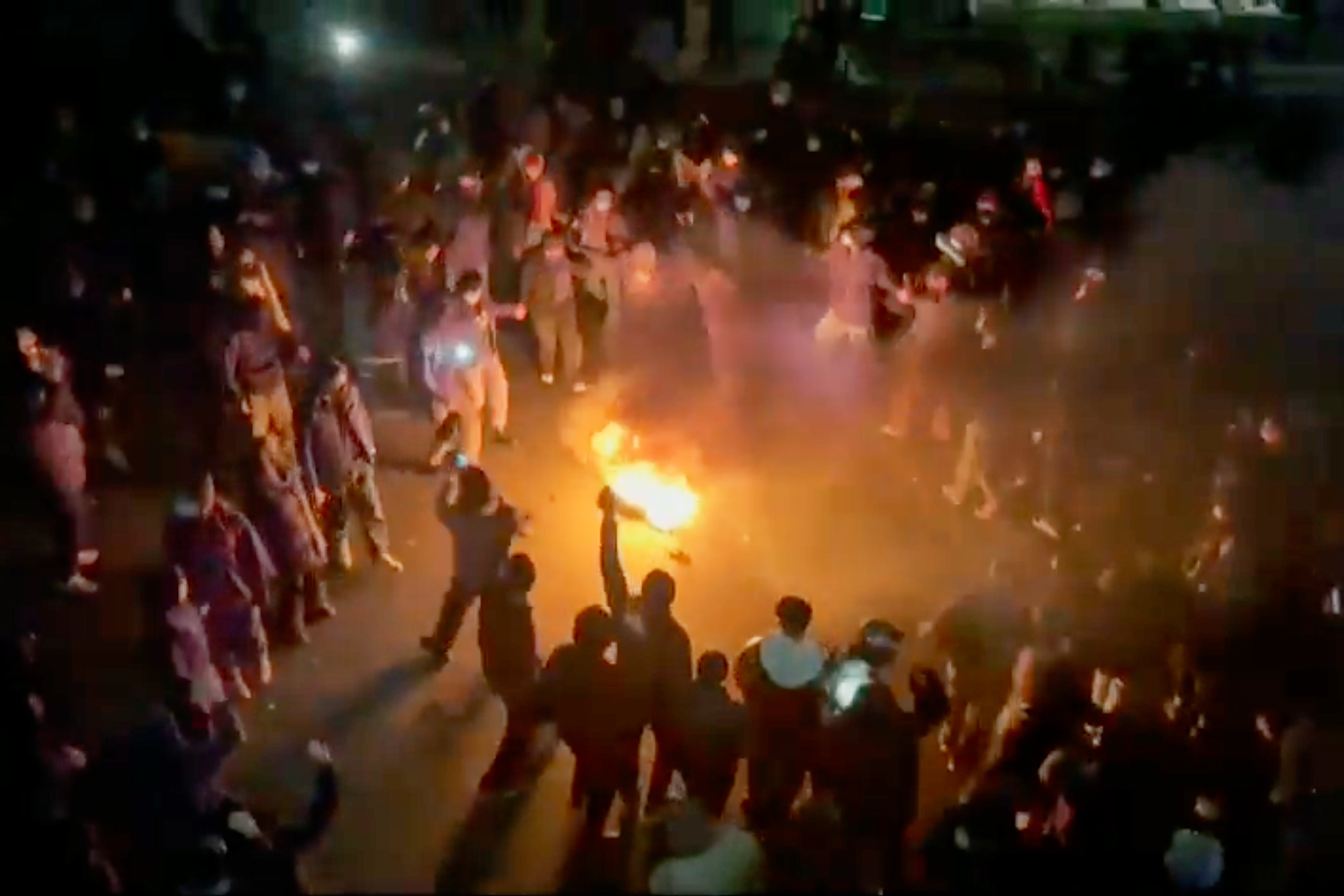
Tehran enacted the internet blackout on Thursday as part of a ruthless crackdown against the protesters, who are demonstrating against the country’s economic crisis. At least 646 protesters are reported to have been killed, according to human rights groups.
As concern mounts that the blackout is concealing atrocities against protesters, there have been growing calls for the US to assist in restoring connectivity in Iran. Donald Trump on Sunday promised he would speak to Musk about using his Starlink service to restore internet across the country.
But even Starlink appears to have fallen prey to Tehran’s widespread attack on internet services – and experts say there is no magic fix to immediately establish connectivity across Iran.
“It’s not a solution for 90 million people under a blackout,” Mahsa Alimardani, a specialist in digital repression and associate director of the Technology Threats and Opportunities Program at Witness, tells The Independent.
Starlink has grown significantly in Iran since its introduction to the country in 2022. There are believed to be around 50,000 Starlink terminals in Iran but Ms Alimardani believes the total is “much higher” – some estimates put it at more than 100,000.
On Thursday, as Iran began the widespread blackout, Starlink connectivity was also attacked.
“They started attacking Starlink,” says Ms Alimardani. “We believe the way that they have been trying to disable Starlink from very early on, on Thursday evening, was through GPS jamming. By doing GPS jamming, it impacts the way the satellite receivers work.”
But the jamming has not been an entirely effective measure, Ms Alimardani explains. Anything not shared by the regime which has reached the outside world since the internet shutdown began on Thursday has most likely come from devices connected to Starlink, which is run by Musk’s space company SpaceX.
Even if Starlink were fully operational, limited hardware on the ground means its already-installed terminals would not be an effective short-term solution for 90 million people under a blackout, she said.

There are other ways Musk’s company could provide connectivity to a far larger number of people across Iran – but it would be costly and it is unclear how it would be funded.
SpaceX, along with other tech companies, could, in theory, provide direct-to-cell satellite technology, with its satellites effectively working as cell towers in space providing connectivity and mobile data to Iranians below.
For direct-to-cell connection, tech companies typically need to work through local carriers. To avoid this, they could purchase the spectrum ranges – specific slices of the invisible radio frequency (RF) airwaves that mobile operators use to send signals – covering Iran.
“A lot of us have sent this proposal to the US government and various other policymakers. This direct-to-cell solution in the short term could possibly help Iranians, but it obviously couldn’t scale to 90 million [in the short term]. It is really a long-term project that needs to be invested in to be something that could scale to 90 million people.”

Tehran is keen to avoid the establishment of direct-to-cell technology, given it could make internet blackouts in the future far more difficult. Perhaps looking to buy time, foreign minister Abbas Araghchi said on Monday that internet would be restored in cooperation with security forces – but gave no clear time frame for this.
Lacking the ability to cut out internet access for protesters would mean losing one of the critical methods used by the Iranian regime to extinguish the rapid spread of unrest.
The ongoing blackout has precedent, made possible through a carefully cultivated policy by the Iranian regime to centralise the internet in Iran, a measure implemented as a response to previous uprisings by the Iranian people.
Precedent for internet blackouts in Iran dates back to 2009, when the regime blocked TV, radio, phones and internet during public protests in response to the presidential election.
It was after the 2009 protests, following difficulties in comprehensively jamming web servers, that Tehran ramped up its campaign to centralise the internet.
The telecom infrastructure became a majority state-owned infrastructure during the naughties. In 2009, Iran’s Revolutionary Guards (IRGC) bought a 51 per cent stake in Iran’s telecommunications company, owning most of the internet service providers.
“Even without that kind of ownership, the internet service providers all operate through a license from the state, and they are connected to the internet gateways through the state,” Ms Alimardani explains.
“So if they want to shut down the internet, they basically have to send the orders to the internet service providers, and they comply.”
The exertion of control over the internet has been tested and experimented with by Tehran over the years, with some sort of disruption or shutdown every time there has been a protest.
“The biggest one we saw was in 2019. They shut down the internet for a week nationwide while they went ahead brutally repressing the protests. This is ultimately what they use the shutdowns for: so they can do this brutal repression and stop the mobilisation of protests,” she says.
Ms Alimardani believes the 2026 shutdown has “come from a sense of desperation” and that it is the “last resort as they really believe they need [to do] this to help them not lose control”.
#Iran #jamming #Starlink #satellites #stop #horror #protest #crackdown #reaching #world