“What happened last year had a huge impact on us,” said Martha Keith. “When I read the news at the weekend, my heart sank again.”
The news that had left Ms Keith fearing for the future of her business was Donald Trump’s threat of increased tariffs on goods imported to the US.
The US president has said the UK and other countries opposing his pursuit of Greenland would face 10 per cent tariffs on all products from next month, which would increase to 25 per cent from 1 June, until a deal is reached for Washington to take over the Danish territory.
That threat, which was described as “completely wrong” by prime minister Keir Starmer, comes after 10 per cent tariffs were introduced by the US for a large swathe of British goods last year – though there were exemptions for UK steel, aluminium, aerospace and cars.
For Ms Keith, the founder and chief executive of Dorset-based stationery business Martha Brook, the prospect of higher tariffs is far from welcome. She believes it presents a significant challenge to the viability of several small firms in the UK, compounding the impact of the tariffs introduced in 2025.
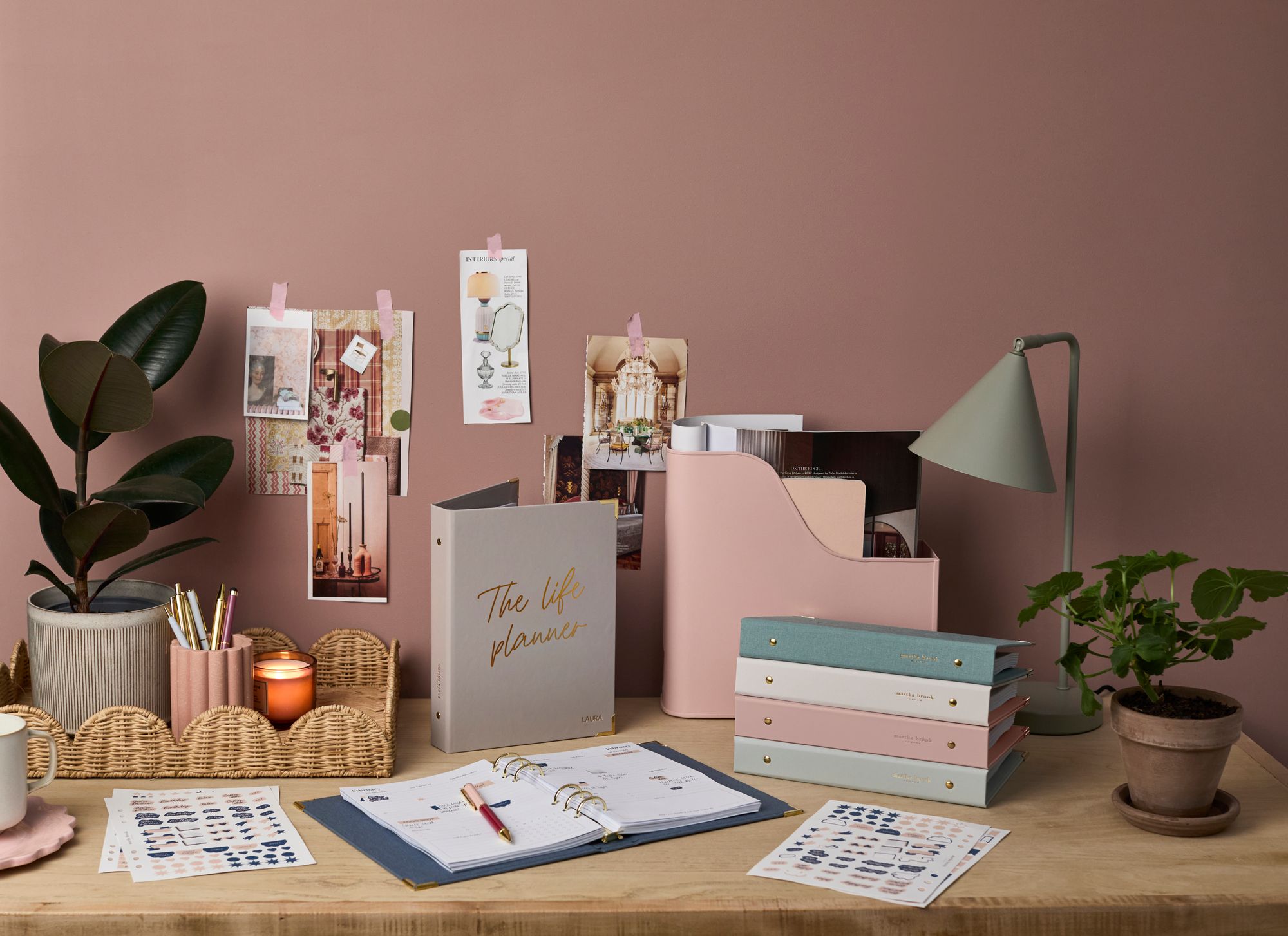
Established 12 years ago, Martha Brook produces stationery, manufactured in the UK and sold directly to customers online.
A vast majority of its business is conducted on sites such as Etsy, where US buyers make up around 40 per cent of its sales. Those sales could be subject to a 25 per cent tariff in June, which Ms Keith views as yet another hurdle for her company to overcome.

About the president’s threat, Ms Keith told The Independent: “The US has been a very big, growing part of our business.
“What happened last year had a huge impact on us. When I read the news at the weekend, my heart sank again.”
Even the threat of higher tariffs and speculation surrounding them impacts business, according to Ms Keith, as it hits consumer confidence in the States.
For her, this compounds reduced sales in America since Mr Trump’s existing tariffs were introduced.
“Before the tariffs, we were up 50 per cent [on Etsy], it was a massive area of growth for us”, she said. “Now they’re down 50 per cent.
“The swing is astonishing. I genuinely think if there’s another 10 per cent imposed – or even just the talk around it – you’re talking about getting to a point where we’re going to wipe out what has been a really big chunk of our business.”
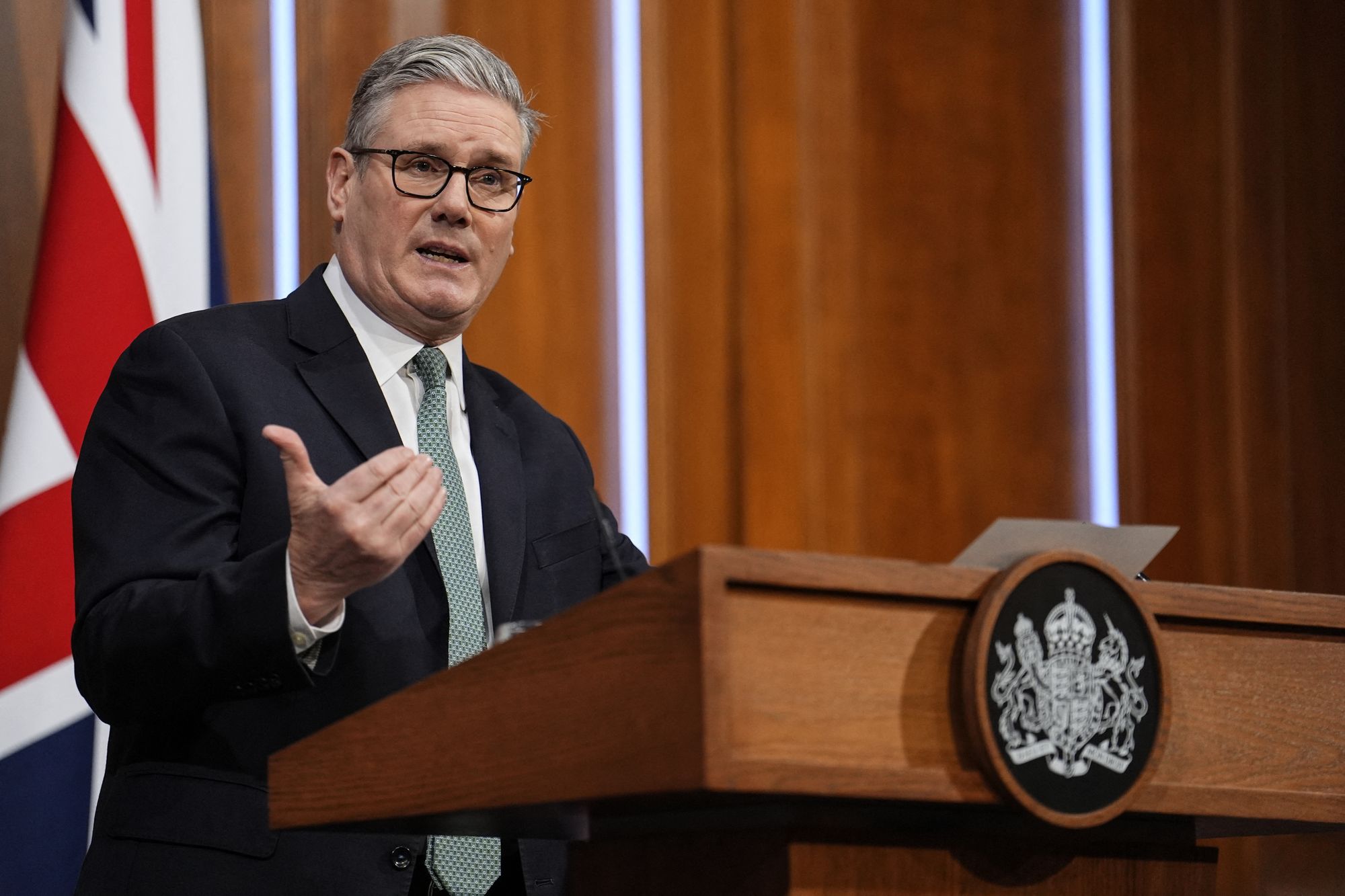
In response to the president’s threat, Sir Keir urged calm on Monday, warning that a trade war would “benefit nobody” amid fears that the UK and the EU could be plunged into recession with a hit to UK GDP of up to £22bn.
Between July 2024 and July 2025, the US was the UK’s largest trading partner and accounted for 17.8 per cent of total UK trade, according to the Office for National Statistics (ONS).
William Bain, the British Chamber of Commerce’s head of trade policy, said: “New tariffs on goods exported to the US will be more bad news for UK exporters, already struggling with the tariffs levied last year.
“We know trade is one way to boost the economy and the success of transatlantic trade depends on reducing, not raising, tariffs.”
Raising tariffs would mean the business models of firms like Martha Brook would no longer be sustainable, according to Ms Keith.
“It’s absolutely something that threatens the future of a business like ours,” she said.
“We’ve come into this year thinking, how we continue our existing model of manufacturing in the UK and sending products overseas.
“Last year was the first year that it felt like that model was truly under threat. We’ve come into this year really thinking about how we can do things differently and innovate.
“It’s genuinely not sustainable to continue to operate without changing the way that we do things. It’s getting to a point where it’s not cost-effective, and we need to be smarter.”
Ms Keith took the decision to absorb the extra costs of the tariffs last year, rather than passing them on to the consumer.
She said that cost her business $7,500 (£5,500) on products that had already been sold, before sales dropped “dramatically” when the tariffs were implemented.
The tariffs have provided an extra challenge that the sector is ill-equipped to navigate, she said, citing Brexit and the coronavirus pandemic’s impact on operating costs as factors, which have damaged the resilience of British businesses.
She said: “This is the direct-to-consumer route, this is how a lot of businesses in the UK start and they grow.
“It has become so hard post-Brexit, with the intricacies of European shipping, the different packaging regulations for every country, GPSR (General Product Safety Regulation) – it’s one thing after another.
“The US was a great market for us. It feels unfair on the customers and it feels unfair on the businesses. That route is being shut down.”
As such, she believes that businesses born out of people’s hobbies and interests face a very tough trading climate,
“When I started this business, it felt like if you had a passion project, it was something you could do as a career.
“I employed a lot of people but it’s come to a point now where it’s not an amazing thing to do any more. Even if it’s something you love, it feels so tough.”
Geoffrey de Mowbray, chairman of the British Exporters Association, said the tariffs would threaten “years of hard work, travel, and investment” from British businesses to build transatlantic relationships.
He said: “The idea that new tariffs could be imposed with little warning leaves businesses unsure how to plan or price for the months ahead.
“A significant number of our members are owner-managed companies with tight margins. They don’t have teams of lawyers or the ability to simply swallow extra costs, so tariffs can very quickly tip a viable export relationship into something that no longer works.
“What makes it particularly difficult is the uncertainty. Businesses can plan for challenges, but it’s much harder to plan when trade becomes entangled in wider political disputes.”

Likewise, Michelle Ovens, chief executive of Small Business Britain and adviser to the UK government’s Board of Trade, said any further tariffs would “create significant uncertainty” for companies across the country.
Ms Ovens said: “Government data published in September 2025 shows that while just 17 per cent of SMEs (small to medium enterprises) export, they account for almost half (44 per cent) of the UK’s exports to the US.
“This makes small businesses a critically important part of the conversation and particularly sensitive to sudden changes in trading conditions.”
But Ms Keith thinks it will only serve to test the resilience of stretched small businesses even further.
“We’ve committed to keep going and navigating this,” she said. “Small business owners are very resilient but this is really testing the resilience.”
She added: “It feels very frustrating, and it has had a demonstrable financial impact on our business already. I think, if there are any more tariffs brought in, we could see a further impact which would be quite devastating.”
#small #business #owner #damage #Trumps #tariffs