
The headlines of bygone years spoke of an urban dystopia riddled with crime. But things have changed, and Detroit’s reputation as “the comeback city” is now widely accepted, following transformational downtown investment and cultural revitalization projects that gathered pace in the 2010s.
However, many travelers remain unaware of just how monumental the revival has been.
Detroit hasn’t just risen from the ashes, but has cemented itself as one of America’s most compelling city break destinations.
The Michigan metropolis, which sits on the cusp of the Great Lakes, is home to some of America’s most impressive and vital museums — housing everything from world-class art collections to remarkable cars. It’s also nurtured some of the planet’s biggest music stars.
The city harbors a mouthwatering foodie scene — with fiercely loved versions of the pizza and hot dogs. Plus, there’s classic dive bars, as well as riverside walks and parks offering gorgeous views.
Here’s your guide to how to make the most of a trip to Detroit, plus three characterful places to stay and top tips for getting around.
Where is Detroit?
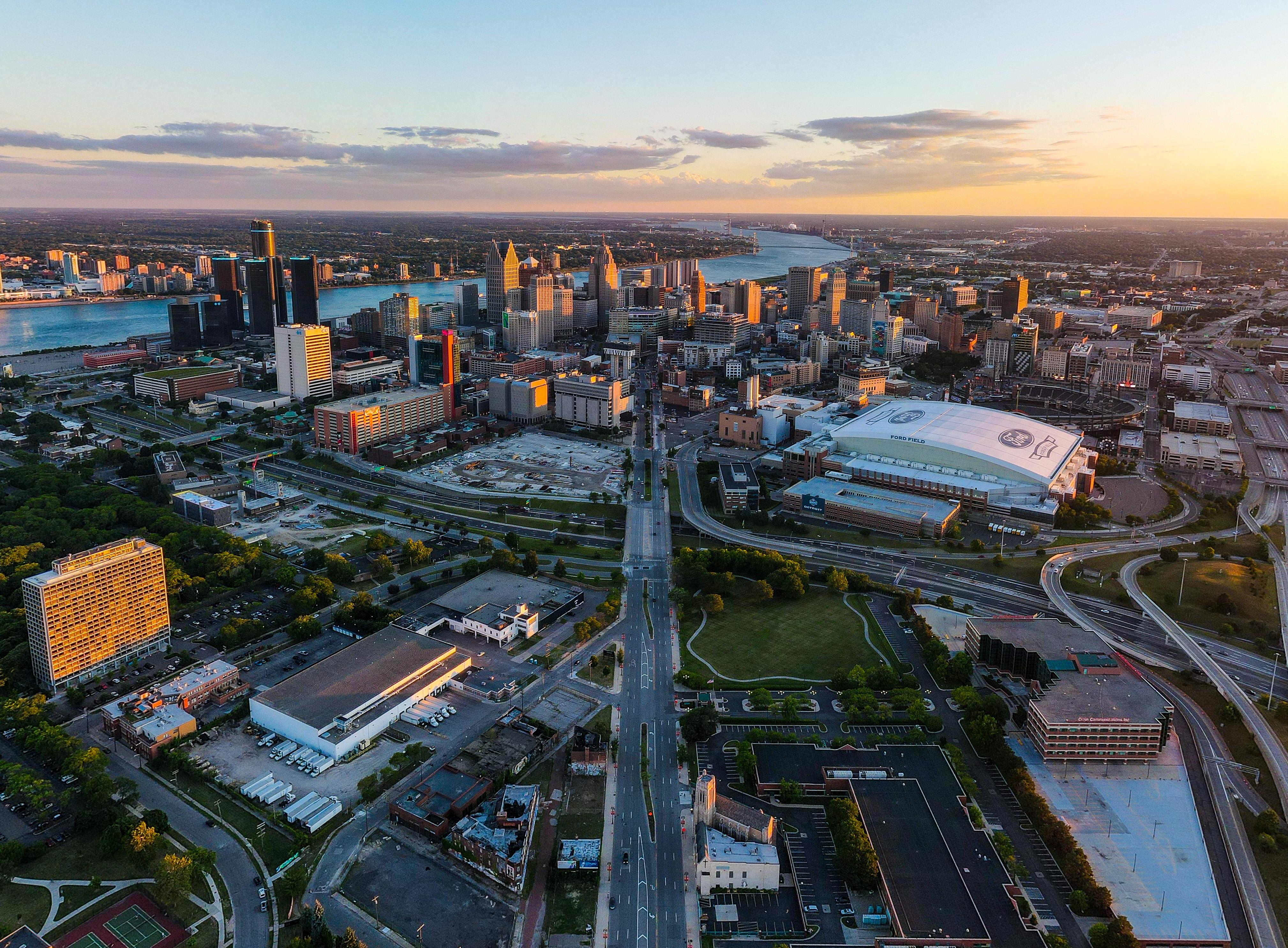
To get your bearings in Detroit, it helps to look at what’s outside of the city — namely, another country: Canada is directly to the south, with Windsor, Ontario, across the Detroit River, which connects Lakes Erie and St. Clair.
Detroit has occupied this river location since 1701, when it was founded by the French as Fort Pontchartrain du Détroit (Detroit meaning “strait”). Its layout today is completely different, with visitor attractions spread over four main neighborhoods.
Downtown is where most of the main hotels are, along with sports arenas, riverfront parks and clusters of bars and restaurants. Head north to Midtown and you’ll be in the city’s cultural heart, home to the Detroit Institute of Arts.
Visit Corktown to discover how Detroit’s oldest neighborhood has reinvented itself as a buzzy nightlife district, while Eastern Market is home to a vast public market.
Read more: Six of the warmest places in the US for a winter escape
Culture and museums
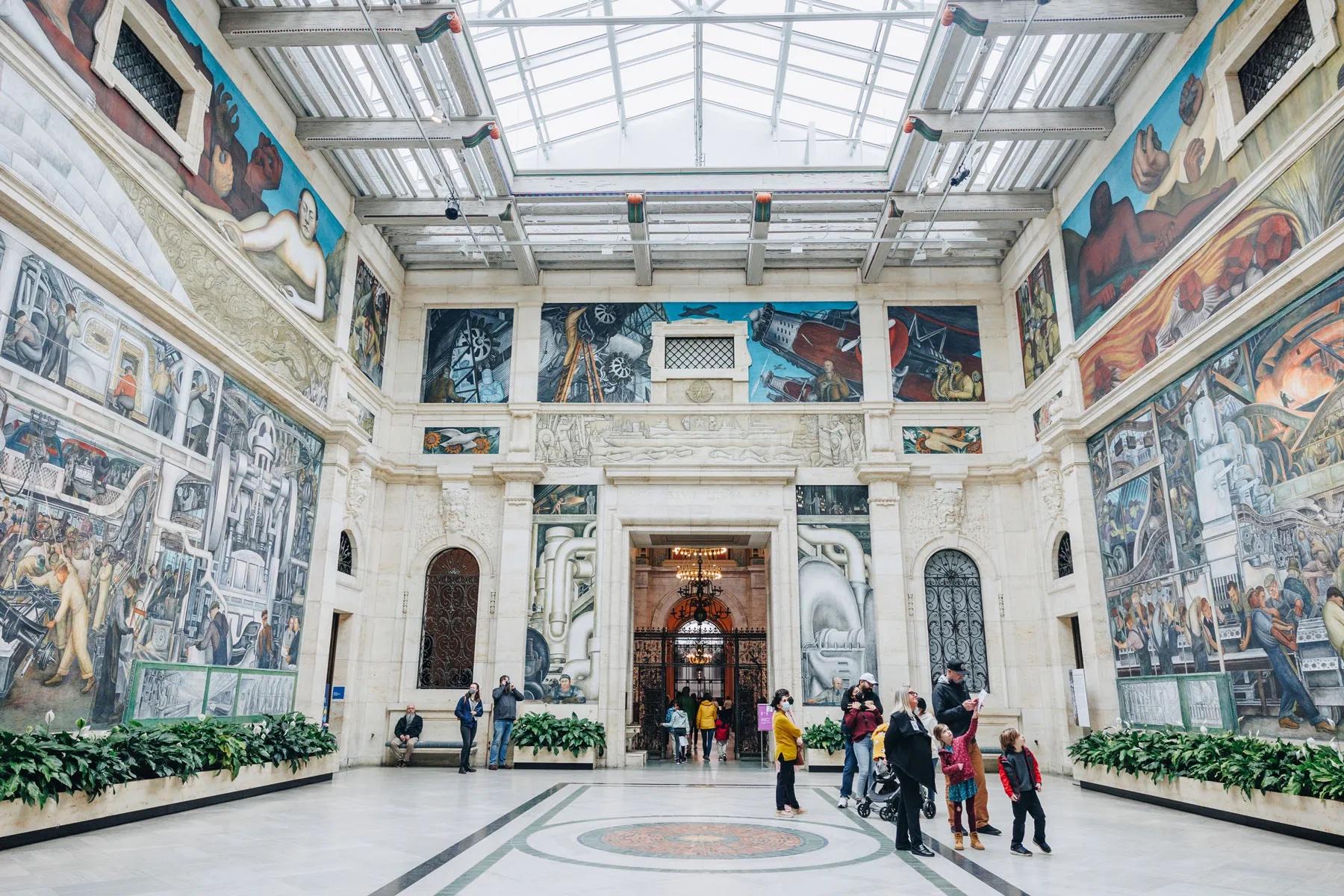
The Detroit Institute of Arts (DIA) is one of America’s most impressive museums, holding a world-class collection of around 65,000 artworks. The jewel in its crown is the monumental, room-covering Detroit Industry Murals, by Diego Rivera, which depicts the city’s industrial heritage.
Keep wandering — there are 100 or so galleries — and you can peruse works by the likes of Rembrandt, Monet, Matisse, van Gogh, Homer, Cassatt, Picasso and Andy Warhol. Elsewhere, you’ll discover suits of armor, ornate puppets and African American paintings.
On the edge of Midtown is the family friendly Detroit Historical Museum, which chronicles the rich history of the city, from Native American beginnings to urban transformation. Standout exhibits include “Glancy Trains”, a fun and fascinating model railway that portrays Detroit’s industrial growth — watch as miniature trains weave past neighborhoods and landmarks; “Streets of Old Detroit”, which features full-scale streetscapes from the 1840s to the 1930s; and “Origins: Life Where the River Bends”, which details Detroit’s earliest history through interactive displays.
A short drive west to the suburb of Dearborn brings you to the vast Henry Ford museum, a fascinating complex in two parts containing 26 million artefacts, and worth an entire day out, even for non-car enthusiasts.
The indoor Henry Ford Museum of American Innovation displays remarkable vehicles such as the 1896 Ford Quadricycle — Henry Ford’s first self-propelled vehicle — the 1961 Lincoln Continental limousine used by JFK, and the bus on which Rosa Parks refused to give up her seat in 1955 sparking the Montgomery Bus Boycott.
Outside is Greenfield Village, where you can explore buildings where history was made that have been physically relocated from their original locations and reconstructed on the 80-acre site – from the lab where Thomas Edison had his lightbulb moment to the workshop where the Wright Brothers began building their first plane.
Read more: 12 state parks that are just as beautiful as national parks — and they’re free
Music heritage
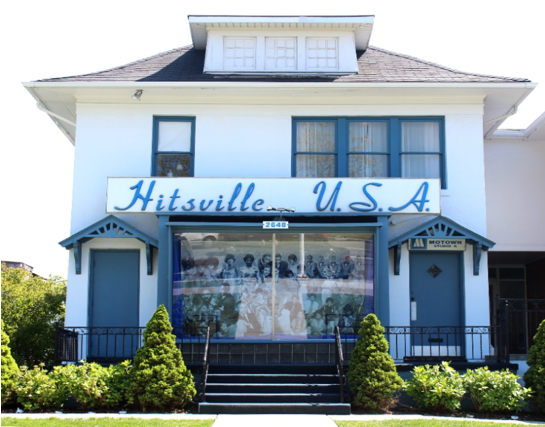
Detroit gave birth to the Motown sound — “Mo” taken from the city’s long-standing nickname, Motor City — and The Motown Museum, aka “Hitsville U.S.A”, is the house and recording studio where it all began in the late 1950s, courtesy of Motown Records founder Berry Gordy Jr.
The building is small, but it rocked the world. It was here that Marvin Gaye, Stevie Wonder and Diana Ross & The Supremes recorded their hits.
Take the tour and you’ll be led through the house as it was when musical history was being made, complete with original costumes and furniture, including the bed where Marvin Gaye is said to have slept.
Note: Tours will be paused from 20 January 2026 for several months while the museum undergoes an expansion.
Read more: Is this America’s best-kept vacation secret? The underrated state that deserves your attention
Music and nightlife
After learning how much Motown matters to Detroit at Hitsville, head to Baker’s Keyboard Lounge on Livernois Avenue, a key destination for understanding the city’s passion for jazz. Since opening in 1934, the venue — which claims to be the world’s oldest jazz club — has attracted a pantheon of jazz icons, including Charlie Parker, Nat King Cole and Ella Fitzgerald.
Superb jazz performances continue to this day in an atmosphere that’s wonderfully welcoming. You’ll find regulars around the unique 1950s keyboard-style bar happily chatting to first-timers over generous pours.
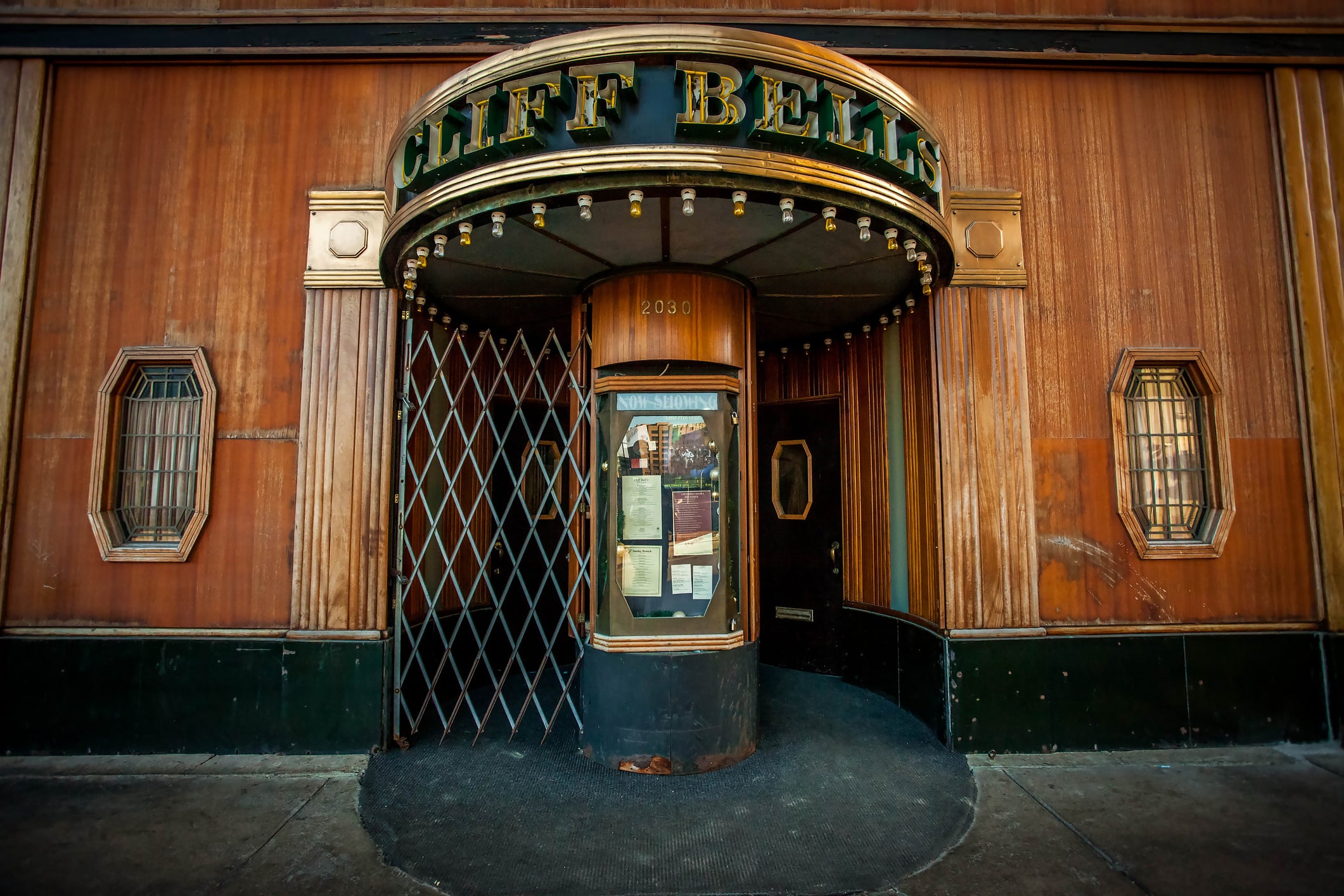
Another jazz bar with a legendary reputation is Cliff Bell’s, near the Detroit Tigers’ stadium. The burnished interior has the swagger of a Cunard liner ballroom and the musicians that perform here are top-notch. What’s more, you can appreciate their skills while dining on fine fare from oysters to slow-braised lamb shank.
Read more: Forget the Rockies: Five East Coast ski resorts to try instead
Food and drink
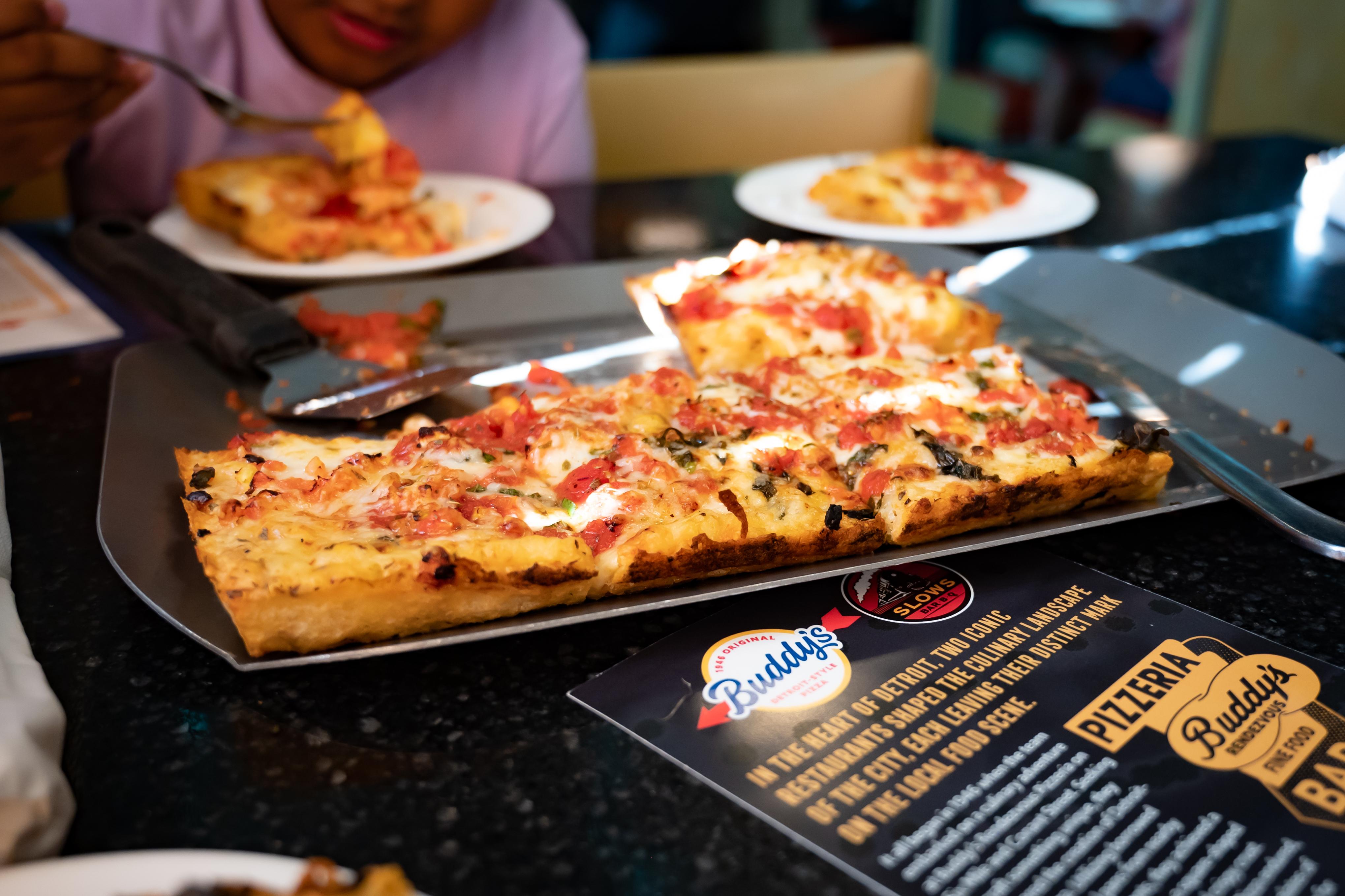
While Detroit’s food scene is unashamedly laid-back, locals are fiercely proud of their pizzas. The city is rightly regarded as one of America’s heavyweights for the dish, alongside New York and Chicago. But whereas NYC’s are thin and tomato-y and the Windy City’s deep and round, Detroit’s are famously deep and rectangular with mouthwatering caramelized cheese crusts. The corner slices are especially popular, as you get a double crust hit.
The rectangular pie emerged in Detroit in 1946 at neighborhood bar Buddy’s Rendezvous after owner Gus Guerra asked his wife, Anna, for a new menu item. She made a pizza using her Sicilian mother’s recipe that was baked in a rectangular steel pan Gus borrowed from a local car plant — and the rest is history.
Today, their restaurant, now named Buddy’s Pizza, is considered worthy of a pilgrimage. Michigan & Trumbull, and PieSci Pizza, also sell classic Detroit-style slices.
The “coney” is another sacred culinary speciality — a hot dog topped with chilli, mustard and onions. Neighboring American Coney Island and Lafayette Coney Island both claim they make the best. Visit both and have fun adjudicating.
For something more contemporary and refined, head to Corktown, which has a growing foodie reputation thanks to eateries such as Slows Bar BQ and Alpino, a James Beard semi-finalist for Best New Restaurant in 2024. Here you can enjoy expertly constructed twists on classic Alpine cuisine.
Eastern Market is another appetizing attraction. Covering 40 acres, it’s one of the largest public markets in the U.S., with over 225 vendors and merchants selling meats, cheeses, flowers, plants and more.
After dark, make your acquaintance with Detroit’s bar scene, which is refreshingly devoid of velvet-rope attitude. Dive into a gloriously scruffy dive bar like The Old Miami, which has cheap drinks and a vast backyard; or sip a carefully crafted cocktail at Standby or The Sugar House.
Read more: Why your next city break should be to Chicago, not NYC
Outdoor Detroit and its public spaces
.jpeg)
The perfect place to walk off any indulgences from the night before is the Detroit Riverwalk. What was once a neglected industrial waterfront is now a six-mile-long landscaped pathway that runs from Gabriel Richard Park (east) to Ralph Wilson Park (west).
Along the way, you’ll find murals, sculptures, parks, playgrounds, and plenty of seating options where you can pause to watch huge freighters gliding past and gaze across at Canada. It’s also a useful way to mentally glue the city together.
Belle Isle Park, a 985-acre island set in the Detroit River, just east of downtown, is similarly restorative. It offers waterfront trails, beaches and formal gardens, as well as spectacular views of Canada and the Detroit skyline.
Read more: See Miami in a new light: Six neighborhoods that might just surprise you
Where to stay
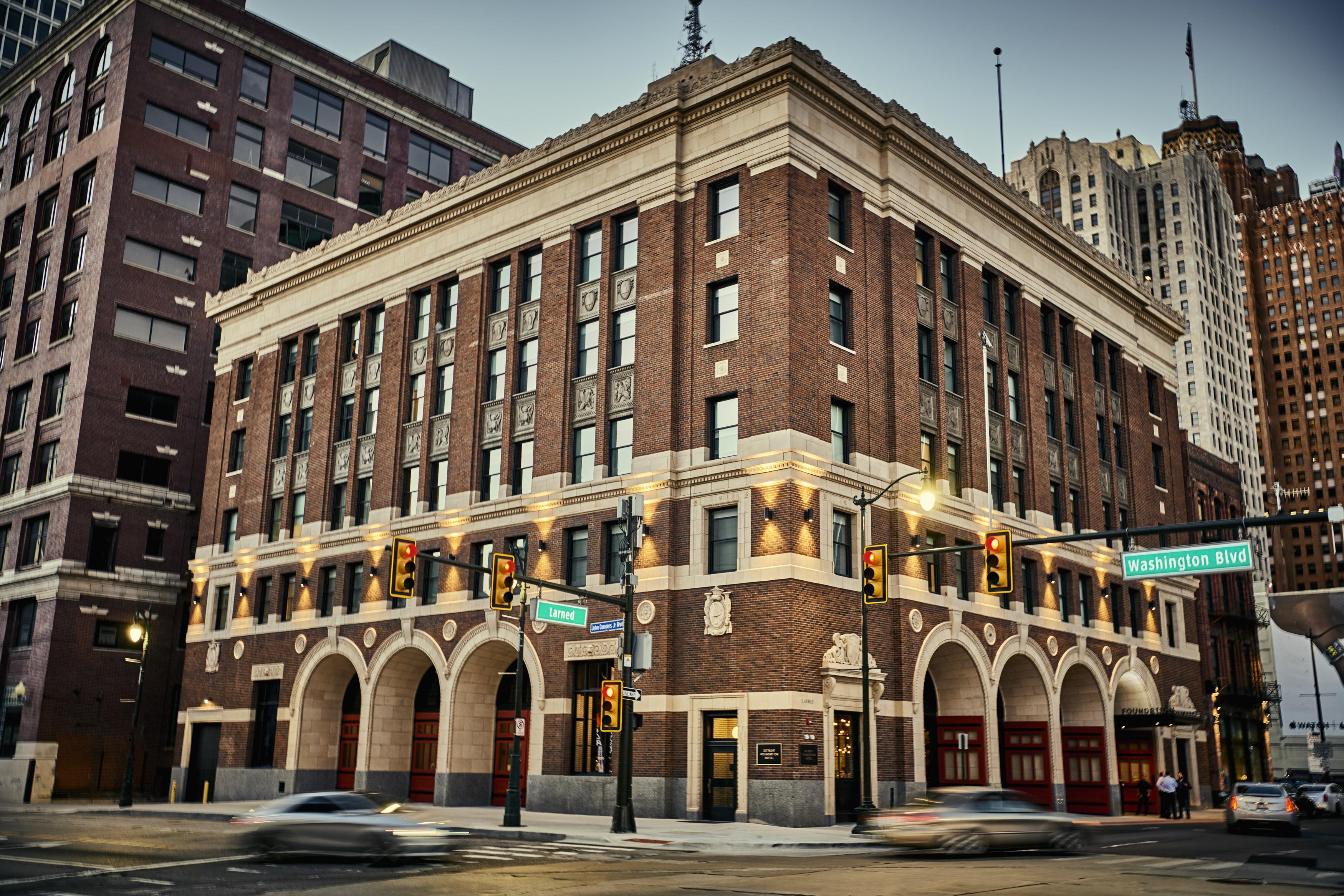
Best for a uniquely Detroit vibe
Detroit Foundation Hotel (rooms from $266) is part of the fabric of the city. It’s set in the old Fire Department headquarters, with many of the original features retained, from brass poles to terrazzo floors and tiled walls. The hotel’s bar and restaurant, The Apparatus Room, is as popular with locals as it is with guests.
Best for historic luxury
The Westin Book Cadillac Detroit (rooms from $286) is a restored Neo-Renaissance skyscraper in a prime location in Downtown, and cossets guests in sumptuous interiors. There’s an impressive pool, a classy spa, an enticing lobby bar, and service is excellent.
A buzzy boutique option in the heart of town
Shinola hotel (rooms from $306) isn’t just a design-forward, boutique-y place to sleep, but a vibrant social space covering 16,000 square feet that includes an Italian restaurant (San Morello), a cocktail bar (Evening Bar), a beer hall (The Brakeman) and two casual eateries, Penny Red’s and Mister Dips.
Conveniently, the QLine streetcar picks up outside and can drop you off outside attractions including the Detroit Historical Museum and Detroit Institute of Arts, which are about two miles away.
Read more: Mitchelville might be the most important place you visit in South Carolina
Getting around
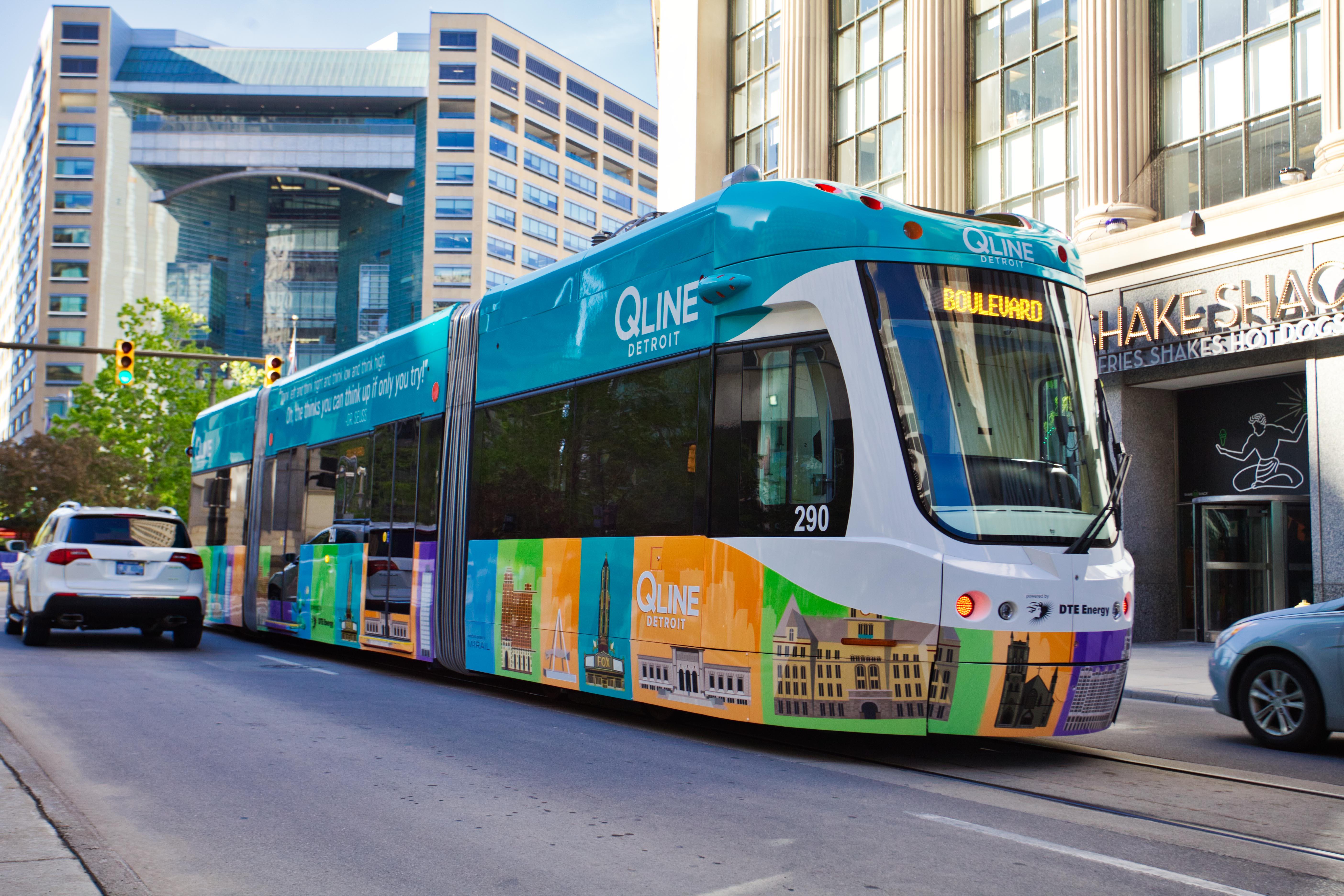
Detroit is vast, and while Downtown and Midtown have a walkability factor, driving and using ride-hailing services will maximise your time in the city. The streets are rarely gridlocked and parking is easy to find. In the center and along the Riverwalk, there is also the option of hiring a bike or e-scooter.
Public transport for tourists is more or less limited to the Qline streetcar that links Downtown and Midtown.
Safety
The tourist areas of Downtown, Midtown, Corktown and Eastern Market feel safe and comfortable to explore, by day or night. But as with any major city in the U.S., use common sense and stick to well-lit and well-patrolled streets and districts.
Read more: Taylor Swift has put Kansas City on the map – but there’s so much more to Missouri
#Detroit #travel #guide #Americas #comeback #city #museums #bars